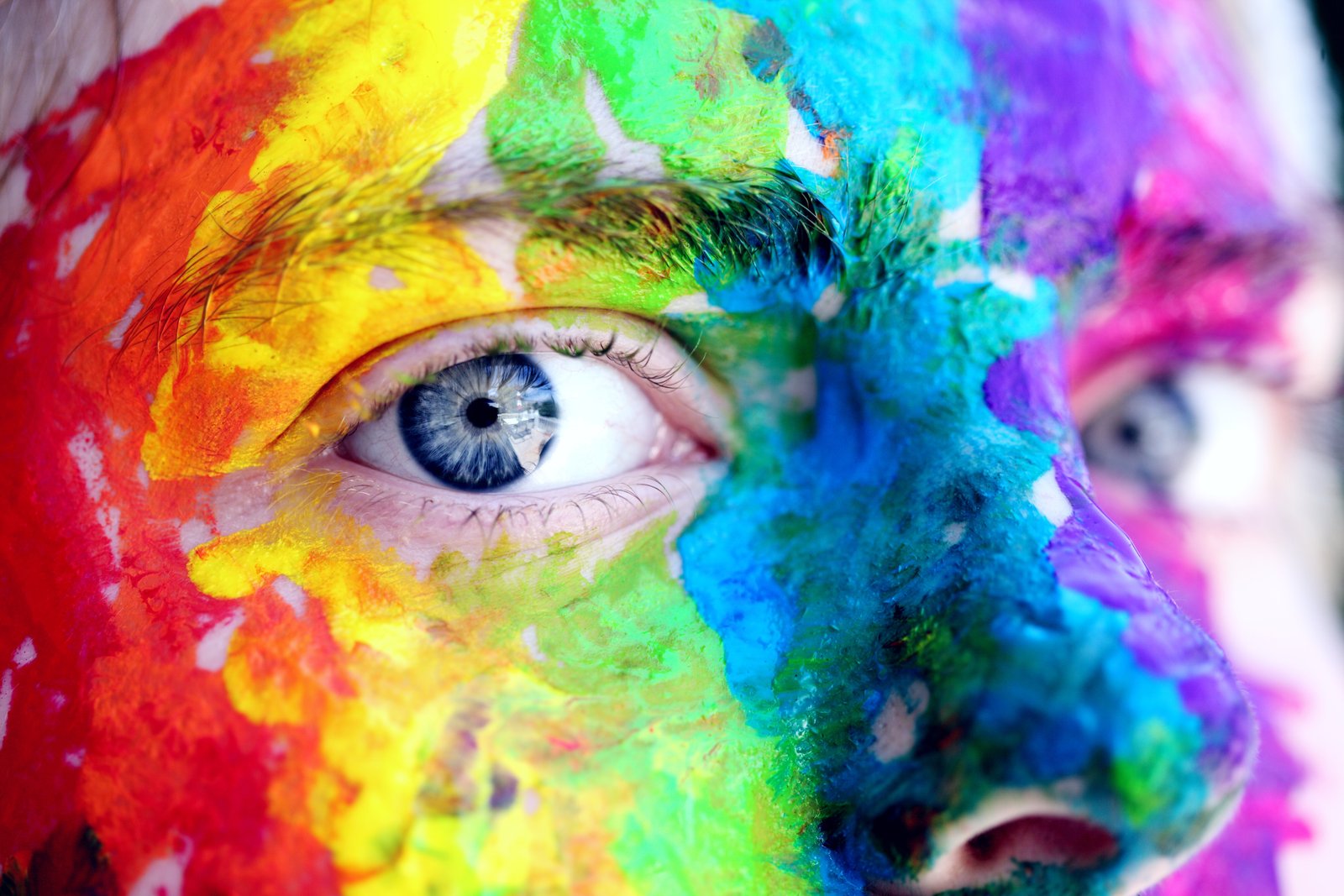
The Power of Color Symbolism in Branding: How Colors Influence Consumer Perception
Category : Color meanings | Sub Category : Color symbolism in branding Posted on 2023-07-07 21:24:53
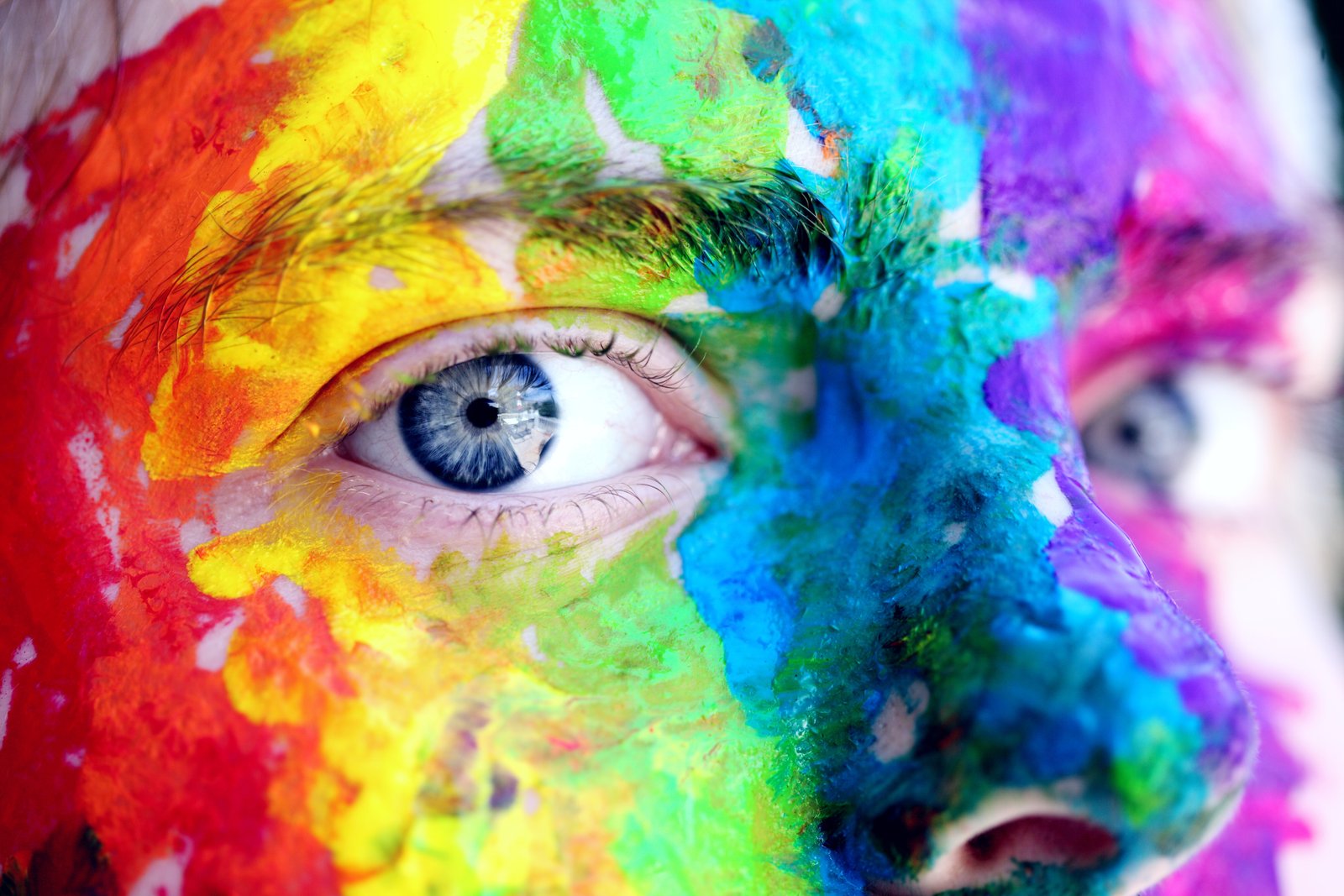
The Power of Color Symbolism in Branding: How Colors Influence Consumer Perception
Introduction: In the world of branding, color plays a significant role in communicating a company's values, personality, and message. From the vibrant reds of Coca-Cola to the calming blues of Facebook, color symbolism can evoke specific emotions and shape consumer perceptions. Understanding the psychological impact of different colors is crucial for businesses to create effective branding strategies. In this article, we'll explore the power of color symbolism in branding and how it can influence consumer behavior. The Psychology behind Colors: Before we dive into the specific meanings of colors in branding, it's essential to understand the psychology behind colors. Different colors can trigger various emotional responses in individuals, ultimately influencing their perceptions and behavior. Here are some common emotional associations with colors:
1. Red is often used to grab attention and create a sense of excitement.. It is popular in the food industry because of its ability to evoke feelings of hunger.
2. Blue is used by technology and finance brands to signify trust, stability and reliability.. It can create a sense of security and calmness, which is especially effective for promoting trust and loyalty.
3. Yellow can inspire positive feelings.. This color is used by brands to generate excitement and capture attention in industries related to entertainment and leisure.. 4. Green is used in industries related to health, wellbeing, and sustainable living.. It is appealing to consumers who are eco-conscious.
5. A sense of prestige and exclusivity can be created by purple.. It is used by high-end brands to convey their sophistication and elegance.. Now that we know the psychological impact of certain colors, let's explore how businesses strategically use color symbolism in their branding efforts.
1. The colors used for a brand's logo, website, and marketing materials reflect the company's overall identity.. The colors should be in line with the brand's values and personality.
2. In a competitive market, color can be a powerful tool.. A brand can differentiate itself from competitors by selecting a unique color scheme.
3. Emotions can be evoked by colors.. By using these emotional Triggers, brands can create a deep connection with their target audience.
4. Cultural meanings and associations can be different with colors.. It is important for brands to conduct thorough research on the cultural context of their target markets to ensure their color choices align with local customs.
Let's look at a few well-known brands and their effective use of color symbolism.
1. The bright yellow and red used by Mcdonald's evoke feelings of energy, excitement, and happiness.. The brand's success in the fast-food industry is due to the colors that create a sense of urgency and appetite.
2. The blue chosen by Facebook is trustworthy and calming.. The color choice helps build trust among its large user base.
Color symbolism plays a vital role in shaping consumer perception.. Businesses can use the psychological impact of colors to create compelling and effective branding strategies.. The right color choices can make a big difference in a brand's success.
Leave a Comment:
SEARCH
Recent News
- Top 5 Vancouver Startups in Electronics Design and Embedded Systems
- Vancouver is a thriving hub for electronics design and embedded systems, providing a fertile ground for businesses involved in export and import within this industry. With a strong focus on innovation and technology, the city is home to numerous companies that specialize in designing, developing, and manufacturing cutting-edge electronic devices and systems.
- In the bustling city of Vancouver, businesses specializing in electronics design and embedded systems are making a significant impact. These businesses are at the forefront of technological innovation, designing cutting-edge electronic devices and systems that power our modern world.
- Vancouver is home to a thriving tech industry, particularly known for its expertise in electronics design and embedded systems. With a growing number of companies specializing in these areas, it can be exciting for both professionals looking to advance their careers and tech enthusiasts interested in learning more about the latest innovations.
- The UK government offers a range of business support programs for companies operating in the field of electronics design and embedded systems. These programs are designed to help businesses in this sector grow, innovate, and succeed in the ever-evolving tech landscape. Whether you are a startup looking to bring a new product to market or an established firm seeking to expand your operations, there are resources and funding opportunities available to support your goals.
- Electronics Design and Embedded Systems: UK Export-Import Rules
- Exploring the Latest Trends in Electronics Design and Embedded Systems in Tunisia
- Top Irish Companies in Electronics Design and Embedded Systems
READ MORE
3 months ago Category : colorsshow
Top 5 Vancouver Startups in Electronics Design and Embedded Systems
Read More →3 months ago Category : colorsshow
Vancouver is a thriving hub for electronics design and embedded systems, providing a fertile ground for businesses involved in export and import within this industry. With a strong focus on innovation and technology, the city is home to numerous companies that specialize in designing, developing, and manufacturing cutting-edge electronic devices and systems.
Read More →3 months ago Category : colorsshow
In the bustling city of Vancouver, businesses specializing in electronics design and embedded systems are making a significant impact. These businesses are at the forefront of technological innovation, designing cutting-edge electronic devices and systems that power our modern world.
Read More →3 months ago Category : colorsshow