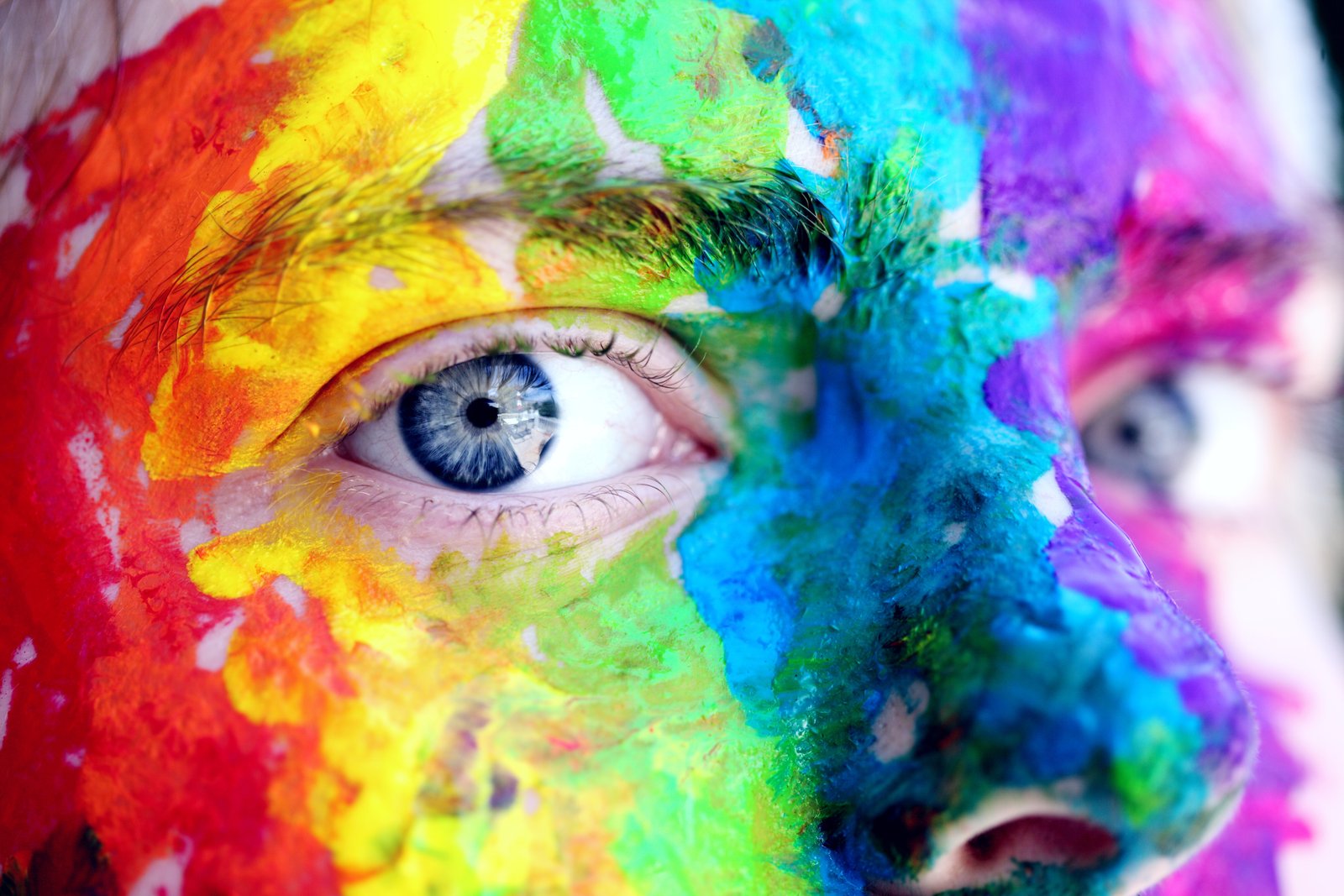
Exploring the Rich Cultural Significance of Colors Around the World
Category : Color psychology | Sub Category : Colors in different cultures Posted on 2023-07-07 21:24:53
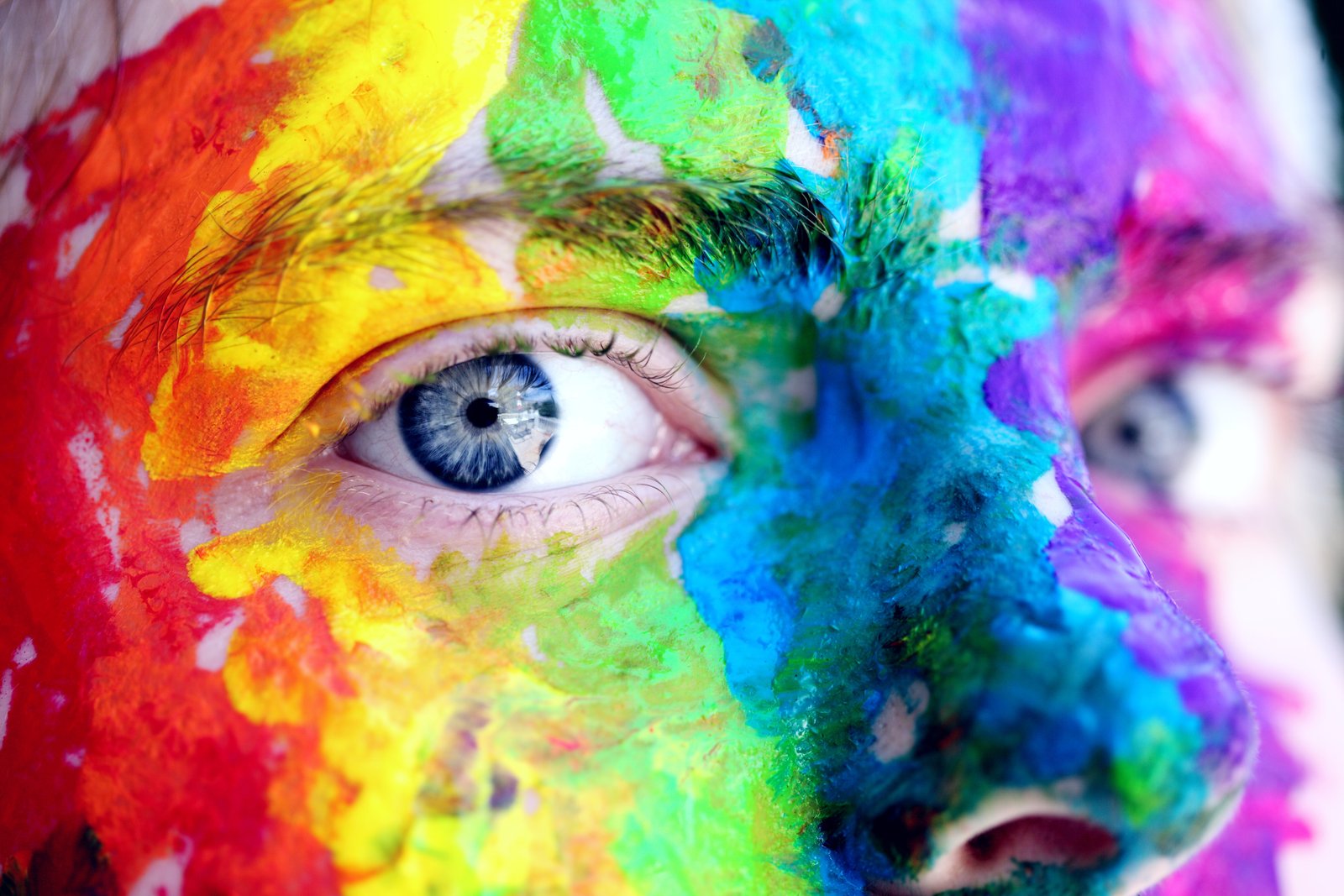
Exploring the Rich Cultural Significance of Colors Around the World
Introduction:
Our perception and emotions are shaped by colors.. The meaning and symbolism of colors can vary from culture to culture.. In this post, we will explore the cultural significance of colors in different parts of the world, and how they are celebrated and used in various traditions.
1. The power of emotions is depicted in red.
Red is associated with powerful emotions such as love, passion, and energy.. Red is a color considered highly salutary in China and is seen at weddings and New Year celebrations.. Red can be associated with danger or caution in Western cultures.. Understanding the differences allows us to appreciate the different interpretations of this vibrant color.
2. White is about purity, peace, and beyond.
White has different meanings in different cultures.. It is often worn by brides in Western societies.. White is associated with mourning and death in Eastern cultures.. The stark contrast in interpretations reminds us of the many ways in which colors can affect our beliefs and rituals.
3. Blue is from calm to spirituality.
Blue is associated with tranquility and peace.. Blue is often used in healthcare settings to create a calm atmosphere.. In Hinduism, blue is associated with divinity, particularly in representations of gods.. The role of colors in expressing spirituality is shown in this variance.
4. Yellow is about happiness and prosperity.
Yellow is synonymous with joy, happiness, and prosperity.. In Eastern cultures, yellow or gold is considered a good luck symbol.. Yellow can be a positive sign in Western cultures.. The cultural nuances of yellow are reminded by the different interpretations.
5. Green is a sign of harmony with nature.
Green is associated with fertility, nature and harmony.. Green is considered a sacred color in Islam and associated with paradise.. Green is a color associated with good luck and is a prominent color during St.. Patrick's Day is celebrated on March 17.. These examples show the deep-rooted connections between colors and cultural beliefs.
Conclusion
The cultural significance of colors is a testament to the power of symbolism.. Exploring how colors are celebrated in different cultures allows us to appreciate the rich tapestry of human traditions.. The impact that culture has on our perception of the world around us is vividly shown by the diversity of meanings attached to colors.. Next time you see a color, take a moment to think about its cultural significance and how it relates to the world you live in.
Leave a Comment:
SEARCH
Recent News
- Top 5 Vancouver Startups in Electronics Design and Embedded Systems
- Vancouver is a thriving hub for electronics design and embedded systems, providing a fertile ground for businesses involved in export and import within this industry. With a strong focus on innovation and technology, the city is home to numerous companies that specialize in designing, developing, and manufacturing cutting-edge electronic devices and systems.
- In the bustling city of Vancouver, businesses specializing in electronics design and embedded systems are making a significant impact. These businesses are at the forefront of technological innovation, designing cutting-edge electronic devices and systems that power our modern world.
- Vancouver is home to a thriving tech industry, particularly known for its expertise in electronics design and embedded systems. With a growing number of companies specializing in these areas, it can be exciting for both professionals looking to advance their careers and tech enthusiasts interested in learning more about the latest innovations.
- The UK government offers a range of business support programs for companies operating in the field of electronics design and embedded systems. These programs are designed to help businesses in this sector grow, innovate, and succeed in the ever-evolving tech landscape. Whether you are a startup looking to bring a new product to market or an established firm seeking to expand your operations, there are resources and funding opportunities available to support your goals.
- Electronics Design and Embedded Systems: UK Export-Import Rules
- Exploring the Latest Trends in Electronics Design and Embedded Systems in Tunisia
- Top Irish Companies in Electronics Design and Embedded Systems
READ MORE
3 months ago Category : colorsshow
Top 5 Vancouver Startups in Electronics Design and Embedded Systems
Read More →3 months ago Category : colorsshow
Vancouver is a thriving hub for electronics design and embedded systems, providing a fertile ground for businesses involved in export and import within this industry. With a strong focus on innovation and technology, the city is home to numerous companies that specialize in designing, developing, and manufacturing cutting-edge electronic devices and systems.
Read More →3 months ago Category : colorsshow
In the bustling city of Vancouver, businesses specializing in electronics design and embedded systems are making a significant impact. These businesses are at the forefront of technological innovation, designing cutting-edge electronic devices and systems that power our modern world.
Read More →3 months ago Category : colorsshow