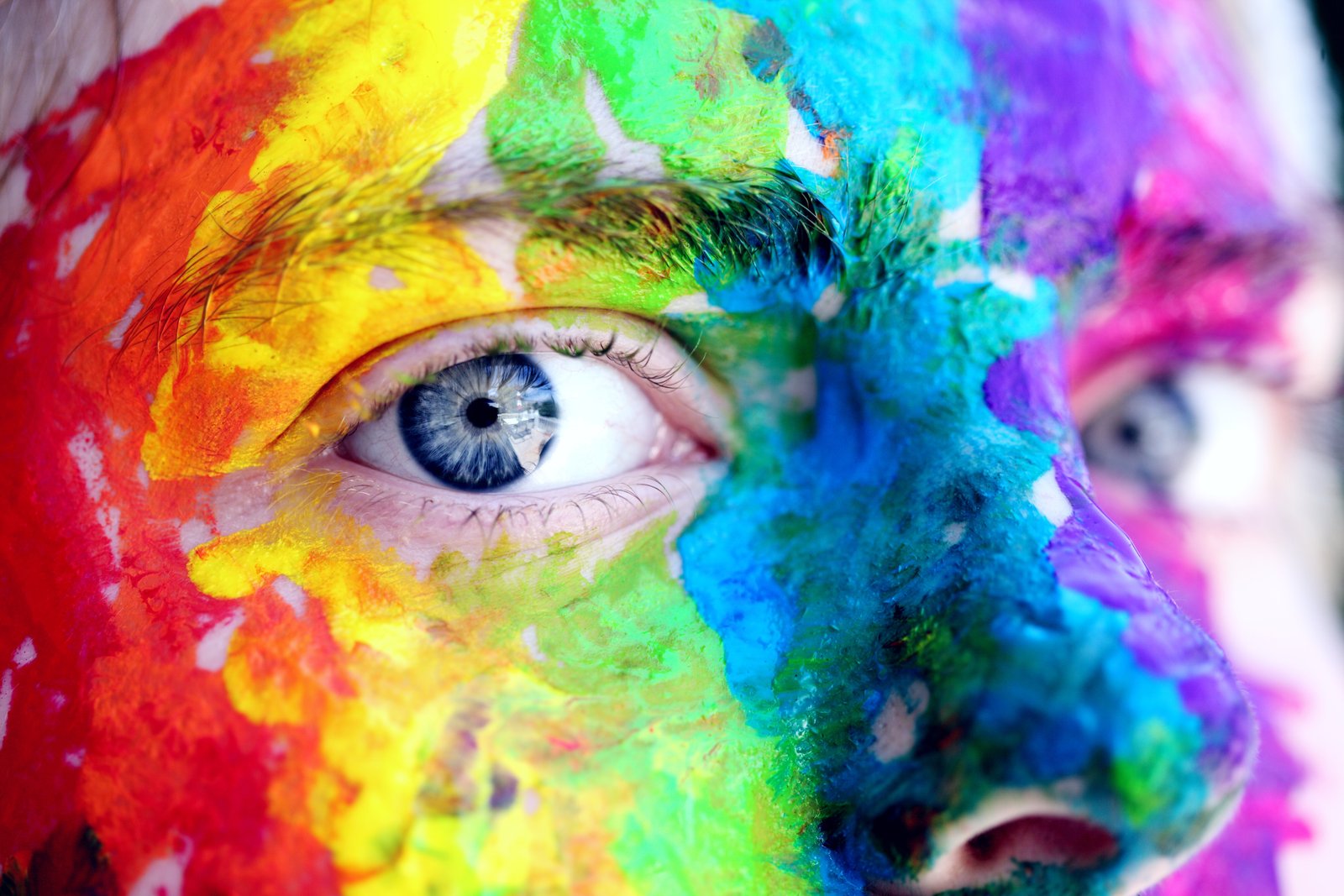
Exploring Africa's Vibrant Color Tools: A Kaleidoscope of Creativity
Category : colorsshow | Sub Category : Posted on 2023-10-30 21:24:53
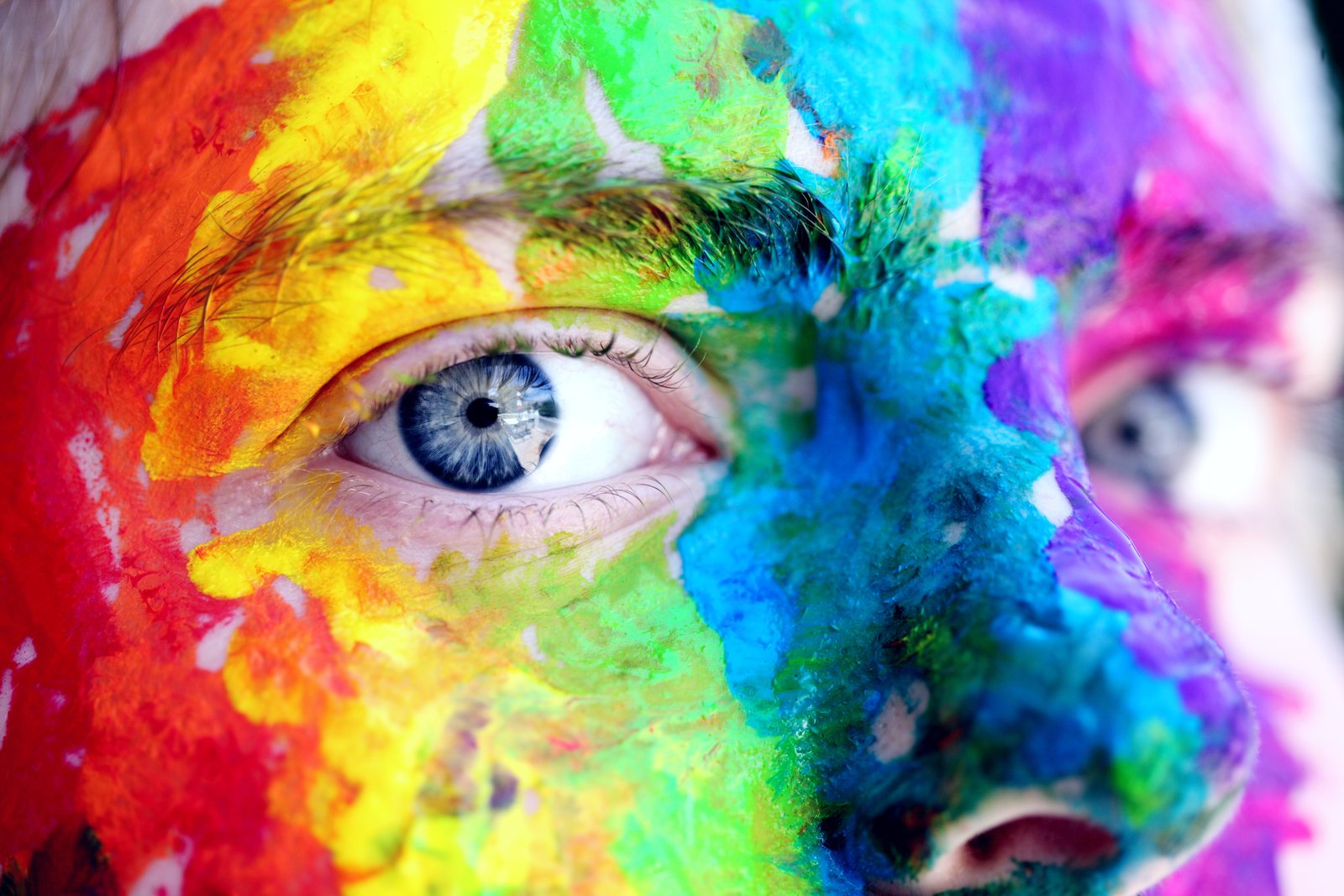
Introduction: Africa is a continent of vibrant cultures, diverse landscapes, and a rich heritage. Its colorful traditions and artistic expressions have captivated the world for centuries. From the intricate beadwork of the Maasai tribe in East Africa to the bold paintings of Ndebele women in South Africa, color tools play an essential role in African art. In this blog post, we will delve into the fascinating world of Africa's color tools, exploring the techniques, materials, and significance behind them. Traditional Dyes and Pigments: African art often relies on natural dyes and pigments derived from plants, minerals, and even insects. This connection to nature adds an organic and authentic touch to the vibrant colors used in African art. For instance, the bright yellows and oranges found in textiles from Senegal and Mali are often achieved using natural dyes, such as indigo and wood bark. Adire and Batik Techniques: In West Africa, the adire and batik techniques are widely practiced. Adire, which means "tie and dye" in Yoruba, involves tying or folding the fabric before applying dye to create unique patterns. The use of colors in adire fabrics varies, ranging from earthy tones to vibrant hues, depending on the region and cultural significance. Batik, on the other hand, involves applying hot wax to the fabric in specific patterns before dyeing it. This technique results in striking designs with an interplay of colors. Beadwork and Mosaics: Beadwork is a well-known art form in many African cultures, with each region having its unique style and symbolism. From the intricate beadwork of the Zulu people in South Africa to the Maasai beadwork in East Africa, beads are not only used for their aesthetic appeal but also for cultural identification and storytelling. The use of different colors of beads allows artists to create intricate patterns and convey meaningful messages through their work. Another form of color tool used in African art is mosaics. Mosaic art has a long history in Africa and is often seen in architectural designs of buildings, particularly in North Africa. Morocco is particularly famous for its vibrant and intricate mosaics, known as zellige, which showcase a mesmerizing range of colors and geometric patterns. Visual Symbolism: Color tools in African art are not just about aesthetics but also hold cultural and symbolic significance. Colors are used to represent emotions, societal status, or even spiritual connections. For example, red often symbolizes bravery and vitality, while blue is associated with spirituality and protection. Understanding the cultural meanings behind the colors used in African art adds another layer of appreciation for the mastery and stories behind the vibrant creations. Conclusion: Africa's color tools are essential elements in its rich artistic traditions. From natural dyes and pigments to intricate beadwork and vibrant mosaics, these tools allow artists to express their creativity and convey cultural messages through a vivid kaleidoscope of colors. Exploring the diverse color techniques used in African art not only provides a glimpse into the continent's cultural heritage but also encourages us to appreciate the beauty and significance of colors in our own lives. Explore this subject further by checking out http://www.afrospaces.com
Leave a Comment:
SEARCH
Recent News
- Top 5 Vancouver Startups in Electronics Design and Embedded Systems
- Vancouver is a thriving hub for electronics design and embedded systems, providing a fertile ground for businesses involved in export and import within this industry. With a strong focus on innovation and technology, the city is home to numerous companies that specialize in designing, developing, and manufacturing cutting-edge electronic devices and systems.
- In the bustling city of Vancouver, businesses specializing in electronics design and embedded systems are making a significant impact. These businesses are at the forefront of technological innovation, designing cutting-edge electronic devices and systems that power our modern world.
- Vancouver is home to a thriving tech industry, particularly known for its expertise in electronics design and embedded systems. With a growing number of companies specializing in these areas, it can be exciting for both professionals looking to advance their careers and tech enthusiasts interested in learning more about the latest innovations.
- The UK government offers a range of business support programs for companies operating in the field of electronics design and embedded systems. These programs are designed to help businesses in this sector grow, innovate, and succeed in the ever-evolving tech landscape. Whether you are a startup looking to bring a new product to market or an established firm seeking to expand your operations, there are resources and funding opportunities available to support your goals.
- Electronics Design and Embedded Systems: UK Export-Import Rules
- Exploring the Latest Trends in Electronics Design and Embedded Systems in Tunisia
- Top Irish Companies in Electronics Design and Embedded Systems
READ MORE
3 months ago Category : colorsshow
Top 5 Vancouver Startups in Electronics Design and Embedded Systems
Read More →3 months ago Category : colorsshow
Vancouver is a thriving hub for electronics design and embedded systems, providing a fertile ground for businesses involved in export and import within this industry. With a strong focus on innovation and technology, the city is home to numerous companies that specialize in designing, developing, and manufacturing cutting-edge electronic devices and systems.
Read More →3 months ago Category : colorsshow
In the bustling city of Vancouver, businesses specializing in electronics design and embedded systems are making a significant impact. These businesses are at the forefront of technological innovation, designing cutting-edge electronic devices and systems that power our modern world.
Read More →3 months ago Category : colorsshow