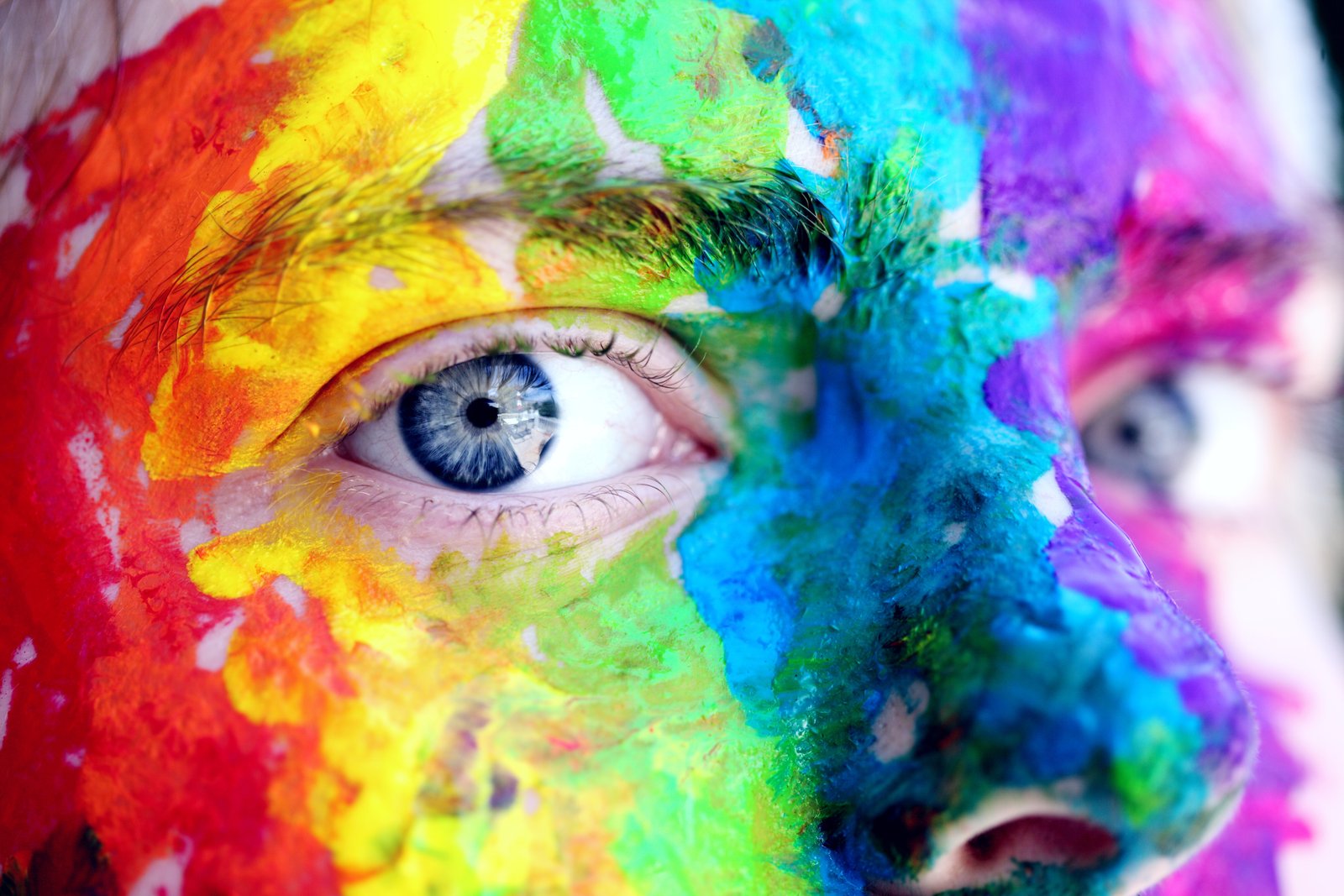
Exploring the Vibrant World of Arabic Color Theory
Category : colorsshow | Sub Category : Posted on 2023-10-30 21:24:53
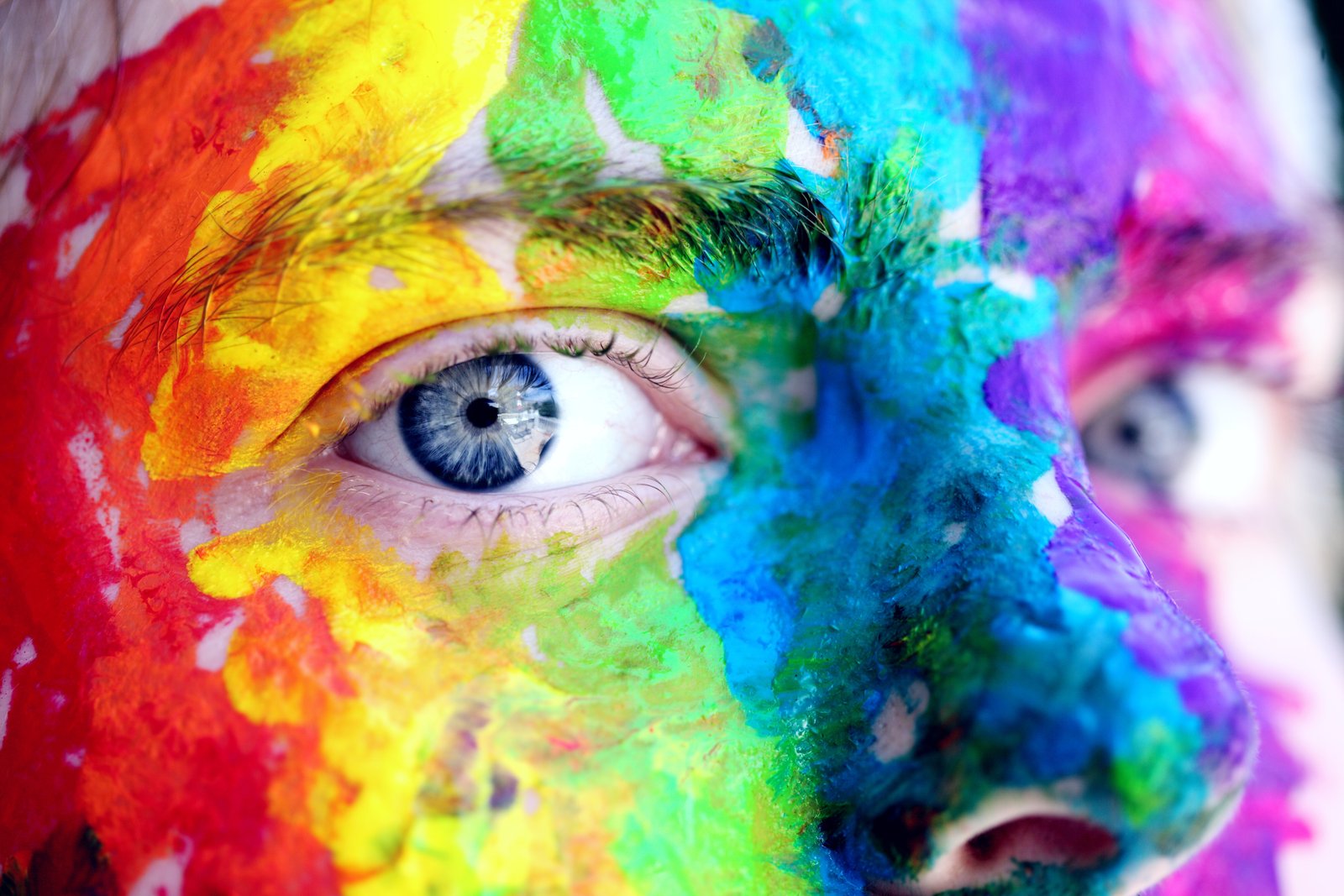
Introduction: Color theory is an essential aspect of art and design that has been prevalent in various cultures and civilizations for centuries. One such captivating tradition is Arabic color theory, which offers a unique and rich perspective on the significance and symbolism of colors. In this blog post, we will take a fascinating journey into the world of Arabic color theory and explore the symbolism, historical influences, and cultural associations behind the vibrant colors used in Arabic art and design. The Historical Significance of Arabic Color Theory: Arabic color theory finds its roots in the Islamic civilization, which flourished during the Golden Age of Islamic art and culture from the 7th to the 15th century. Colored pigments were used extensively in various forms of Arabic art, including calligraphy, manuscript illumination, pottery, and architecture. These vibrant hues were not only visually captivating but also held symbolic meanings deeply rooted in religious and cultural beliefs. Symbolism and Meanings: Each color in Arabic color theory holds a symbolic significance and is associated with various emotions, elements, and concepts: 1. Blue (Azraq): Often associated with divinity, wisdom, and spirituality, blue represents the infinite depths of the sky and sea. It symbolizes tranquility, calmness, and peace. 2. Green (Akhdar): Symbolizing fertility, growth, and renewal, green represents nature, prosperity, and life. It is often linked to paradise and is extensively used in Islamic architecture and decoration. 3. Red (Ahmar): Signifying power, strength, and courage, red is associated with fire, passion, and vitality. It represents love, desire, and intensity. 4. Yellow (Asfar): Representing warmth, joy, and optimism, yellow is associated with the sun. It symbolizes happiness, energy, and enlightenment. 5. White (Abyad): Representing purity, light, and innocence, white is often used in Islamic architecture and calligraphy. It symbolizes peace, clarity, and devotion. 6. Black (Aswad): Symbolizing power, sophistication, and eternity, black holds a unique position in Arabic color theory. It is often seen in calligraphy and textile designs, representing elegance and beauty. Cultural Influences and Contemporary Usage: Arabic color theory has transcended its historical context and continues to inspire artists, designers, and creatives worldwide. Its influence can be seen in contemporary Arab art, fashion, interiors, and graphic design. Many modern artists incorporate traditional Arabic color palettes and symbolism into their work, creating a harmonious blend of heritage and innovation. Conclusion: Arabic color theory offers a captivating insight into the symbolism and cultural significance of colors in the Arab world. From the vibrant blue of the endless sky to the lush green of nature, each hue carries its own meaning and evokes specific emotions. Exploring the rich history and cultural associations of Arabic color theory not only enhances our understanding of art and design but also allows us to appreciate the beauty and depth this tradition brings to our visual experiences. Looking for expert opinions? Find them in http://www.onlinebanat.com
Leave a Comment:
SEARCH
Recent News
- Top 5 Vancouver Startups in Electronics Design and Embedded Systems
- Vancouver is a thriving hub for electronics design and embedded systems, providing a fertile ground for businesses involved in export and import within this industry. With a strong focus on innovation and technology, the city is home to numerous companies that specialize in designing, developing, and manufacturing cutting-edge electronic devices and systems.
- In the bustling city of Vancouver, businesses specializing in electronics design and embedded systems are making a significant impact. These businesses are at the forefront of technological innovation, designing cutting-edge electronic devices and systems that power our modern world.
- Vancouver is home to a thriving tech industry, particularly known for its expertise in electronics design and embedded systems. With a growing number of companies specializing in these areas, it can be exciting for both professionals looking to advance their careers and tech enthusiasts interested in learning more about the latest innovations.
- The UK government offers a range of business support programs for companies operating in the field of electronics design and embedded systems. These programs are designed to help businesses in this sector grow, innovate, and succeed in the ever-evolving tech landscape. Whether you are a startup looking to bring a new product to market or an established firm seeking to expand your operations, there are resources and funding opportunities available to support your goals.
- Electronics Design and Embedded Systems: UK Export-Import Rules
- Exploring the Latest Trends in Electronics Design and Embedded Systems in Tunisia
- Top Irish Companies in Electronics Design and Embedded Systems
READ MORE
3 months ago Category : colorsshow
Top 5 Vancouver Startups in Electronics Design and Embedded Systems
Read More →3 months ago Category : colorsshow
Vancouver is a thriving hub for electronics design and embedded systems, providing a fertile ground for businesses involved in export and import within this industry. With a strong focus on innovation and technology, the city is home to numerous companies that specialize in designing, developing, and manufacturing cutting-edge electronic devices and systems.
Read More →3 months ago Category : colorsshow
In the bustling city of Vancouver, businesses specializing in electronics design and embedded systems are making a significant impact. These businesses are at the forefront of technological innovation, designing cutting-edge electronic devices and systems that power our modern world.
Read More →3 months ago Category : colorsshow