Chinese Color Trends: Exploring the Vibrancy and Symbolism in Chinese Culture
Category : colorsshow | Sub Category : Posted on 2023-10-30 21:24:53
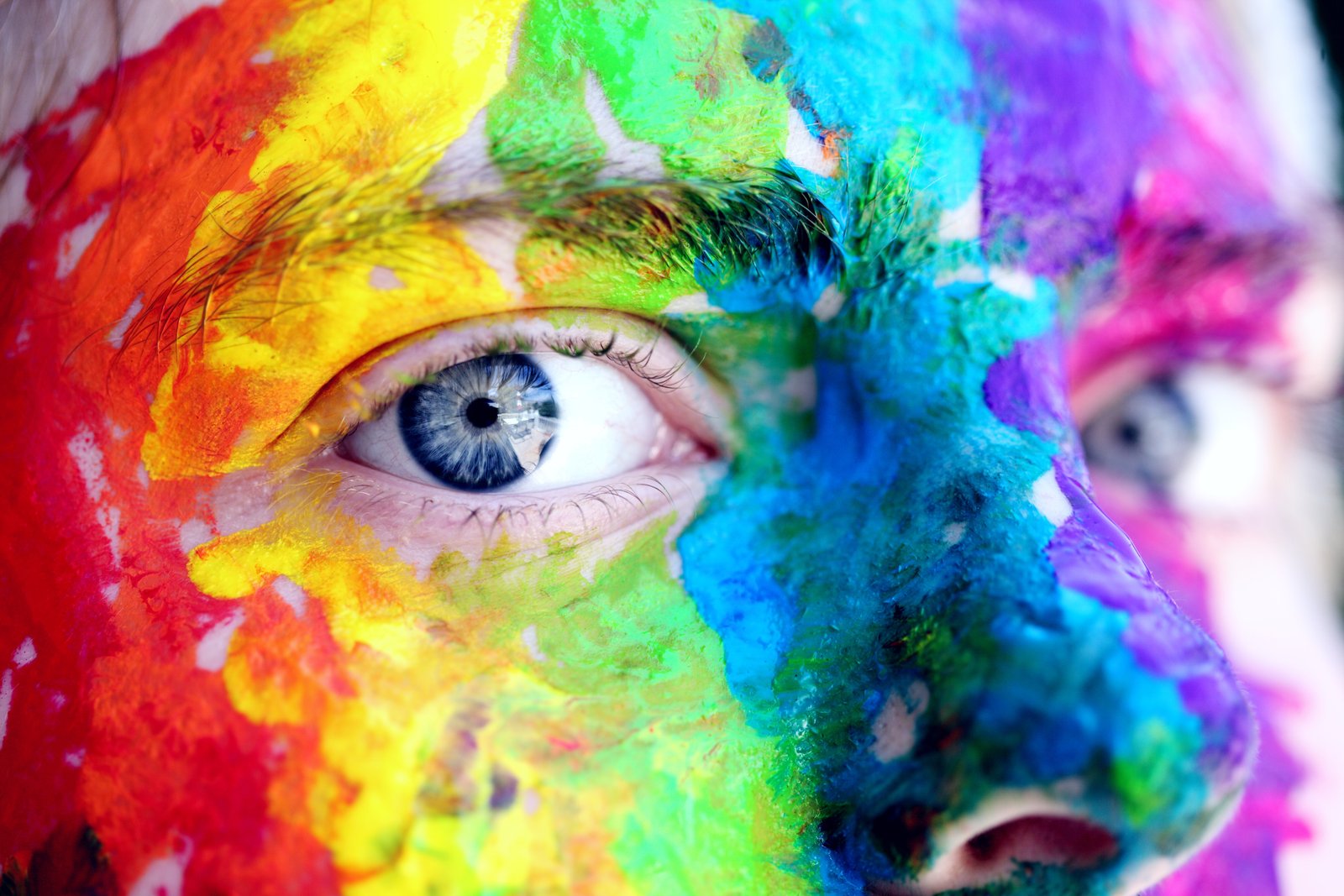
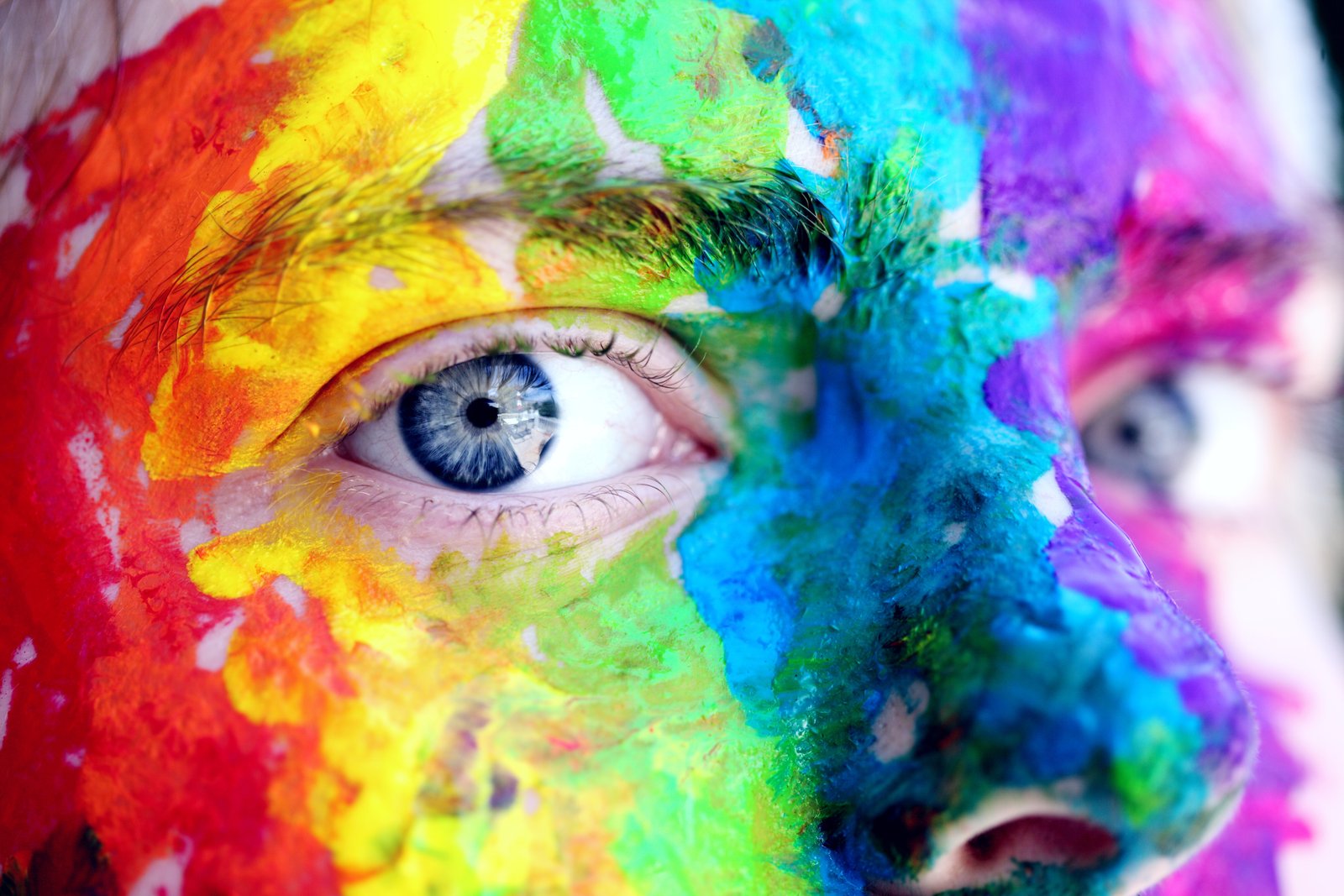
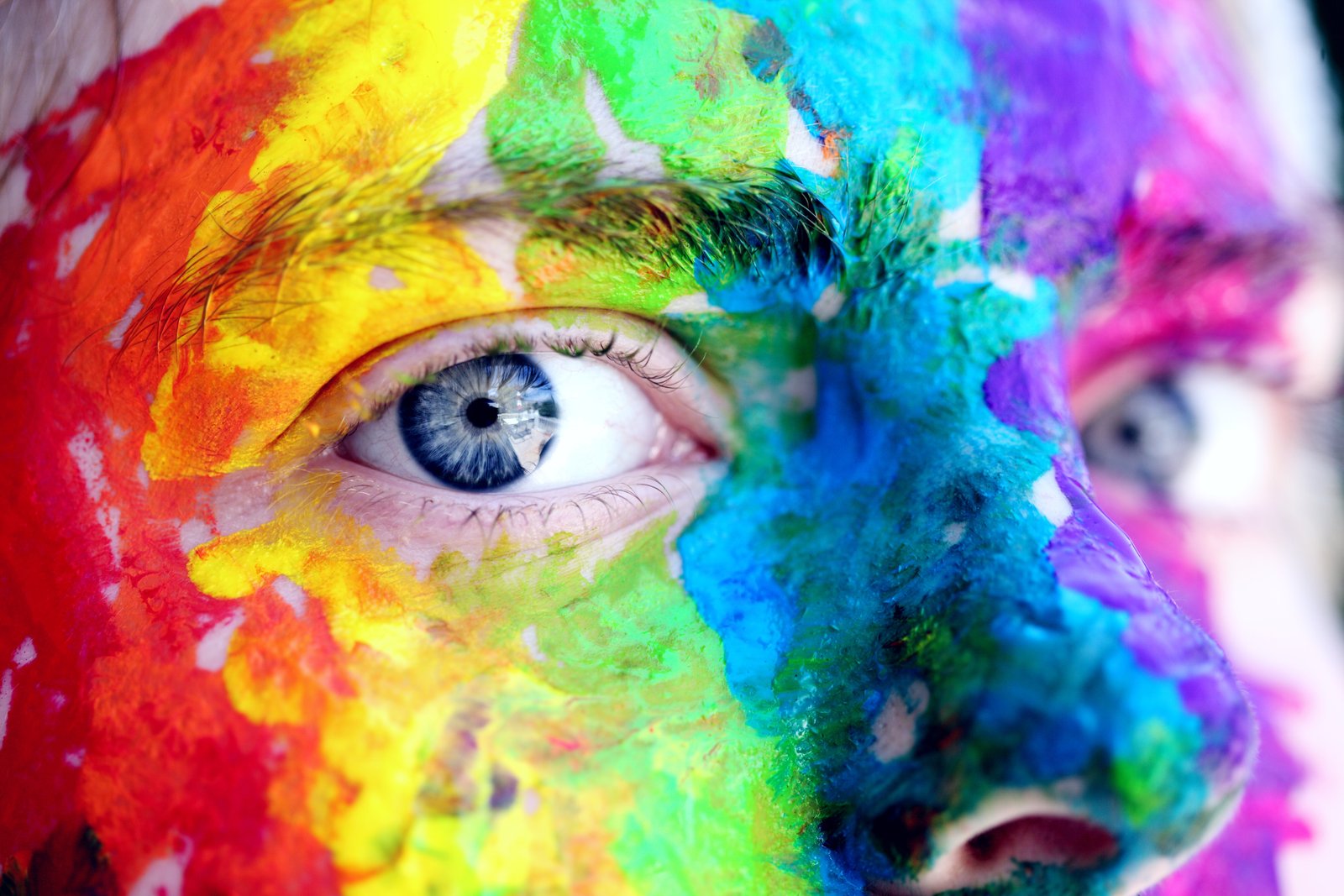
Colors play a significant role in Chinese culture, from traditional customs like the use of red during festivals to the exploration of new color trends in modern Chinese design. These color choices not only hold deep cultural symbolism but also reflect the evolving aesthetic tastes of this vibrant nation. Join us on a journey through the Chinese color trends, where we will explore their meanings, significance, and how they shape the world of design in China. 1. Red: The Color of Celebration One cannot discuss Chinese color trends without mentioning the all-pervasive color red, which holds great cultural importance. Associated with prosperity, luck, and happiness, red is the primary color used during Chinese New Year and other joyous occasions. The traditional red lanterns, red envelopes, and red decorations are seen everywhere, symbolizing good fortune and warding off evil spirits. 2. Yellow: The Imperial Color Yellow has historically been regarded as the imperial color in China. Reserved exclusively for the emperor and his family, yellow symbolized power, status, and the divine. Today, yellow is still associated with prestige and is often used in ceremonies and traditional events. It signifies fertility, royalty, and abundance. 3. Blue: Tranquility and Serenity Blue is another color trend in Chinese culture that represents tranquility and serenity. Traditionally associated with water, blue symbolizes purity and calmness. It is often used in interior design to create a soothing atmosphere. In recent years, the popularity of blue has increased, with modern designers incorporating various shades of blue into their creations. 4. Green: Nature and Growth Green is the color of nature, growth, and harmony. It represents health, fertility, and fresh beginnings. In Chinese culture, green is associated with new life, prosperity, and luck. This color trend is commonly seen in traditional paintings, as well as in contemporary clothing and home decor. 5. Gold: Wealth and Luxury Gold is highly regarded in Chinese culture, symbolizing wealth, opulence, and prosperity. It represents the sun, symbolizing power and the ultimate achievement. Gold is often incorporated into various elements of design, from furniture to jewelry, adding a touch of luxury and elegance. 6. Pink: Femininity and Romance Pink is associated with femininity, love, and tenderness. It represents spring, youth, and beauty. In recent years, pink has become a popular color trend in Chinese fashion and design, reflecting the growing influence of fashion-conscious millennials. Pink is often used in clothing, accessories, and interior design to add a touch of romance and sweetness. 7. Purple: Spirituality and Royalty Purple is a color that represents spirituality and royalty. Historically, it was associated with the ruling class and symbolized dignity, power, and luxury. Purple can still be seen in traditional Chinese costumes and is often used in modern design to add a regal and elegant touch. Chinese culture is a treasure trove of vibrant colors and their deep symbolism. From the auspicious red to the tranquil blue, each color tells a story and adds a unique touch to Chinese design aesthetics. By exploring these traditional color trends and embracing new ones, Chinese designers continue to create innovative and captivating designs that beautifully blend tradition with contemporary sensibilities. To get more information check: http://www.soitsyou.com
Leave a Comment:
SEARCH
Recent News
- Top 5 Vancouver Startups in Electronics Design and Embedded Systems
- Vancouver is a thriving hub for electronics design and embedded systems, providing a fertile ground for businesses involved in export and import within this industry. With a strong focus on innovation and technology, the city is home to numerous companies that specialize in designing, developing, and manufacturing cutting-edge electronic devices and systems.
- In the bustling city of Vancouver, businesses specializing in electronics design and embedded systems are making a significant impact. These businesses are at the forefront of technological innovation, designing cutting-edge electronic devices and systems that power our modern world.
- Vancouver is home to a thriving tech industry, particularly known for its expertise in electronics design and embedded systems. With a growing number of companies specializing in these areas, it can be exciting for both professionals looking to advance their careers and tech enthusiasts interested in learning more about the latest innovations.
- The UK government offers a range of business support programs for companies operating in the field of electronics design and embedded systems. These programs are designed to help businesses in this sector grow, innovate, and succeed in the ever-evolving tech landscape. Whether you are a startup looking to bring a new product to market or an established firm seeking to expand your operations, there are resources and funding opportunities available to support your goals.
- Electronics Design and Embedded Systems: UK Export-Import Rules
- Exploring the Latest Trends in Electronics Design and Embedded Systems in Tunisia
- Top Irish Companies in Electronics Design and Embedded Systems
READ MORE
3 months ago Category : colorsshow
Top 5 Vancouver Startups in Electronics Design and Embedded Systems
Read More →3 months ago Category : colorsshow
Vancouver is a thriving hub for electronics design and embedded systems, providing a fertile ground for businesses involved in export and import within this industry. With a strong focus on innovation and technology, the city is home to numerous companies that specialize in designing, developing, and manufacturing cutting-edge electronic devices and systems.
Read More →3 months ago Category : colorsshow
In the bustling city of Vancouver, businesses specializing in electronics design and embedded systems are making a significant impact. These businesses are at the forefront of technological innovation, designing cutting-edge electronic devices and systems that power our modern world.
Read More →3 months ago Category : colorsshow