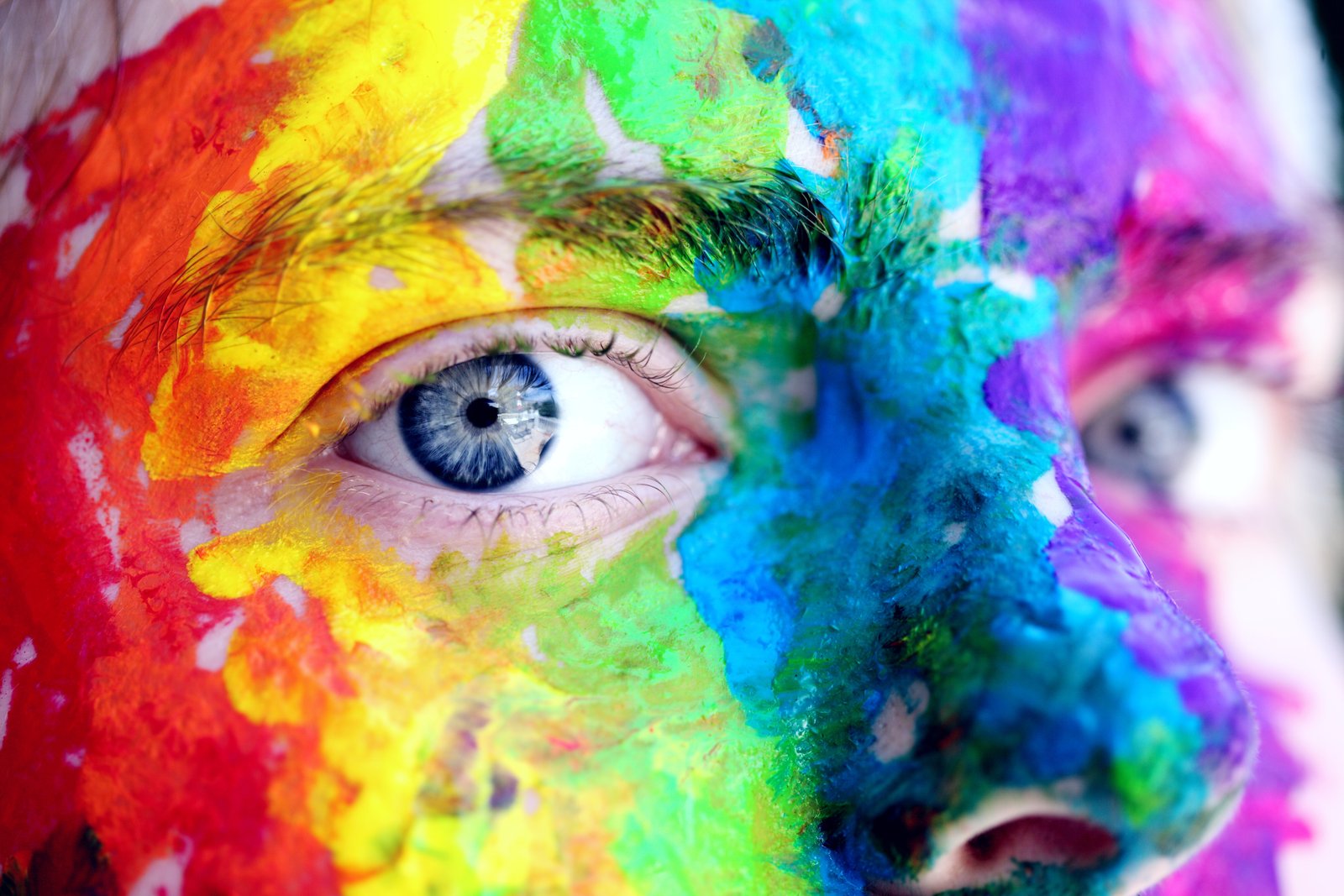
Exploring the Vibrant World of Colors in Arabic Language Learning
Category : colorsshow | Sub Category : Posted on 2023-10-30 21:24:53
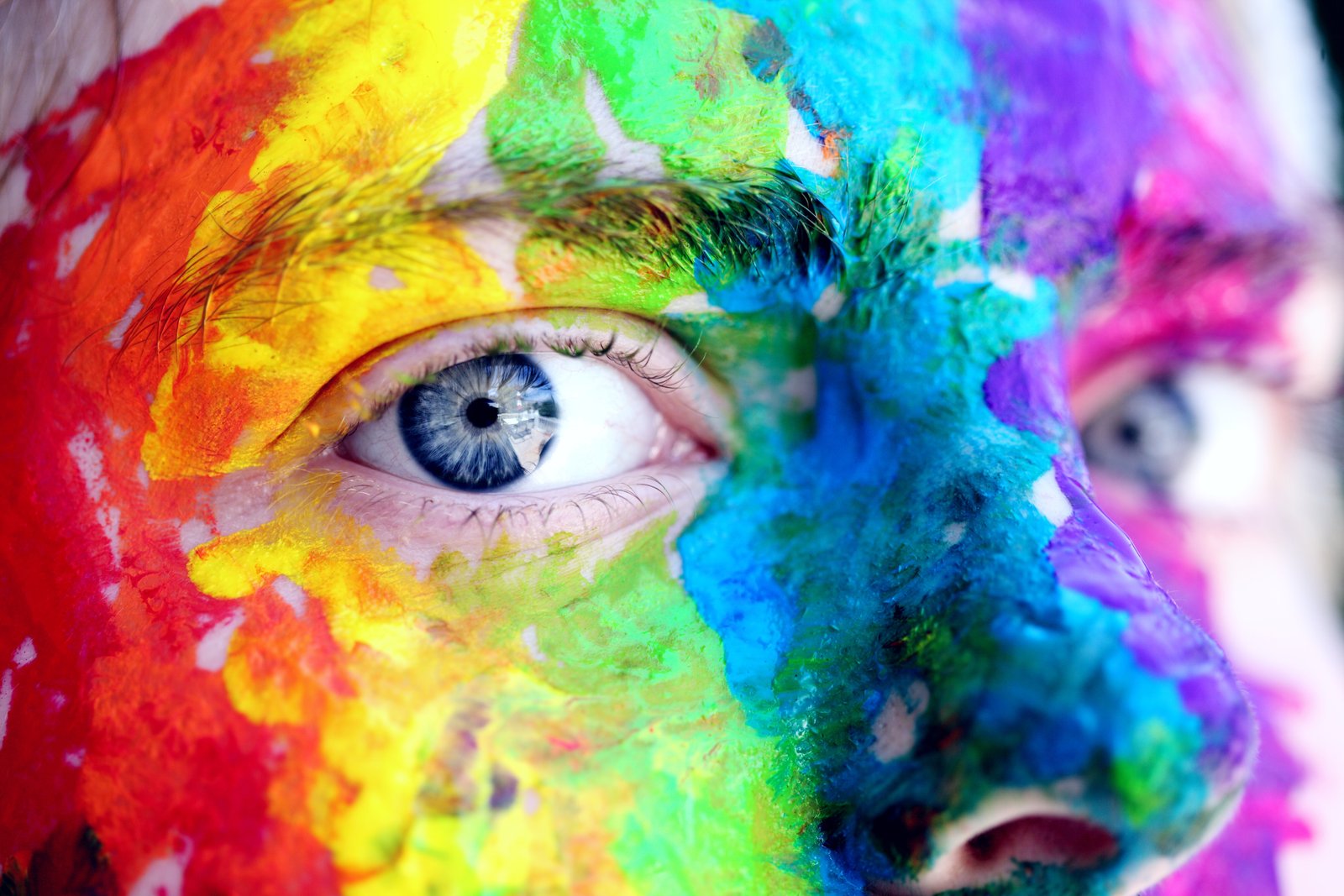
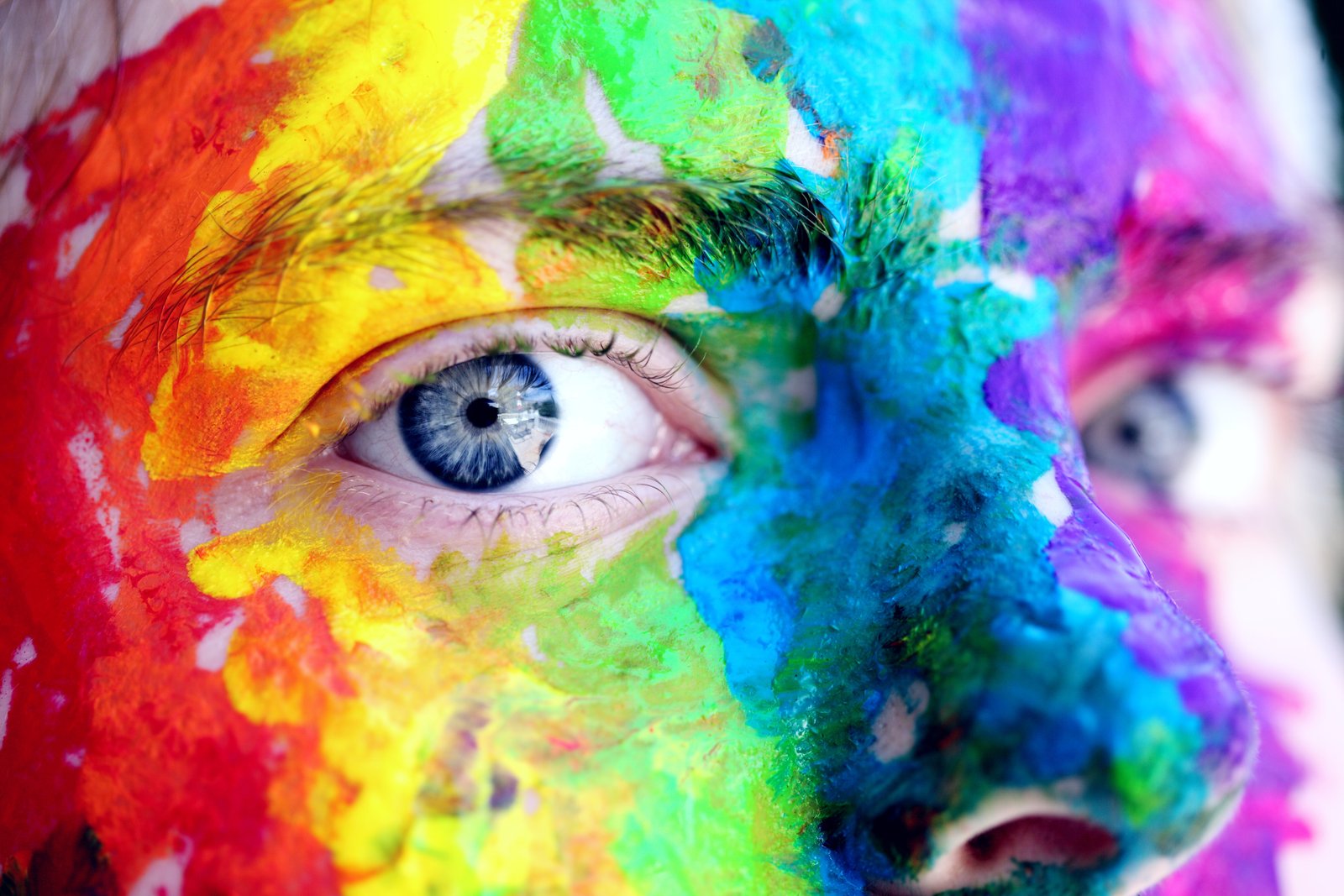
Introduction: Arabic, a beautifully expressive language, is not just known for its rich history and culture but also for its vivid and descriptive vocabulary. While learning any language, including Arabic, colors play a crucial role in expanding your vocabulary and enhancing your ability to communicate effectively. In this blog post, we will dive into the fascinating world of colors in Arabic language learning and discover how they can help you broaden your understanding of this enchanting language. 1. The Basics: Discovering the Primary Colors in Arabic: Just like in English, colors in Arabic language are divided into primary and secondary colors. Let's start by exploring the three primary colors in Arabic: red (ahmar), blue (azraq), and yellow (asfar). Understanding these fundamental colors forms the foundation for learning about more complex shades and hues in Arabic vocabulary. 2. Expanding Your Palette: Discovering Secondary Colors in Arabic: Once you have a strong grasp on the primary colors in Arabic, you can delve into a whole new range of vocabulary by exploring secondary colors. For example, combining red and yellow gives you the vibrant orange (burtuqali), while combining yellow and blue forms the refreshing green (akhdar). Similarly, the combination of red and blue results in the calming purple (banafsaji). 3. A Rainbow of Shades: Understanding Color Variations in Arabic: Colors are not limited to just primary and secondary categories in Arabic. This language has a diverse range of vocabulary to describe various shades and nuances. From light to dark, Arabic offers words such as light blue (azraq salem), dark red (ahmar gahez), and deep yellow (asfar thamin). 4. Color Idioms and Expressions: Exploring idioms and expressions related to colors can be an exciting way to expand your language skills. Arabic has several idiomatic expressions that incorporate colors to convey certain meanings. For instance, "to be green with envy" can be described as "akhdar min al-hasad" in Arabic. 5. Cultural Significance of Colors in Arabic: Colors often hold cultural significance in various societies, and Arabic culture is no exception. Understanding the symbolic meaning behind colors in the Arab world can provide a deeper understanding of the language and its people. Exploring topics such as the cultural significance of white (abyad), the color of purity and peace, or black (aswad) symbolizing honor and authority, can offer valuable insights into Arabic culture. Conclusion: Colors are an essential part of language learning, and when it comes to Arabic, it opens up a vibrant world of vocabulary and cultural understanding. From primary and secondary colors to shades and idiomatic expressions, the Arabic language provides a plethora of opportunities to explore the world of colors. So, immerse yourself in the colorful journey of Arabic language learning and let the beauty of language and culture enlighten your path. Discover new insights by reading http://www.onlinebanat.com Seeking answers? You might find them in http://www.sugerencias.net
Leave a Comment:
SEARCH
Recent News
- Top 5 Vancouver Startups in Electronics Design and Embedded Systems
- Vancouver is a thriving hub for electronics design and embedded systems, providing a fertile ground for businesses involved in export and import within this industry. With a strong focus on innovation and technology, the city is home to numerous companies that specialize in designing, developing, and manufacturing cutting-edge electronic devices and systems.
- In the bustling city of Vancouver, businesses specializing in electronics design and embedded systems are making a significant impact. These businesses are at the forefront of technological innovation, designing cutting-edge electronic devices and systems that power our modern world.
- Vancouver is home to a thriving tech industry, particularly known for its expertise in electronics design and embedded systems. With a growing number of companies specializing in these areas, it can be exciting for both professionals looking to advance their careers and tech enthusiasts interested in learning more about the latest innovations.
- The UK government offers a range of business support programs for companies operating in the field of electronics design and embedded systems. These programs are designed to help businesses in this sector grow, innovate, and succeed in the ever-evolving tech landscape. Whether you are a startup looking to bring a new product to market or an established firm seeking to expand your operations, there are resources and funding opportunities available to support your goals.
- Electronics Design and Embedded Systems: UK Export-Import Rules
- Exploring the Latest Trends in Electronics Design and Embedded Systems in Tunisia
- Top Irish Companies in Electronics Design and Embedded Systems
READ MORE
3 months ago Category : colorsshow
Top 5 Vancouver Startups in Electronics Design and Embedded Systems
Read More →3 months ago Category : colorsshow
Vancouver is a thriving hub for electronics design and embedded systems, providing a fertile ground for businesses involved in export and import within this industry. With a strong focus on innovation and technology, the city is home to numerous companies that specialize in designing, developing, and manufacturing cutting-edge electronic devices and systems.
Read More →3 months ago Category : colorsshow
In the bustling city of Vancouver, businesses specializing in electronics design and embedded systems are making a significant impact. These businesses are at the forefront of technological innovation, designing cutting-edge electronic devices and systems that power our modern world.
Read More →3 months ago Category : colorsshow