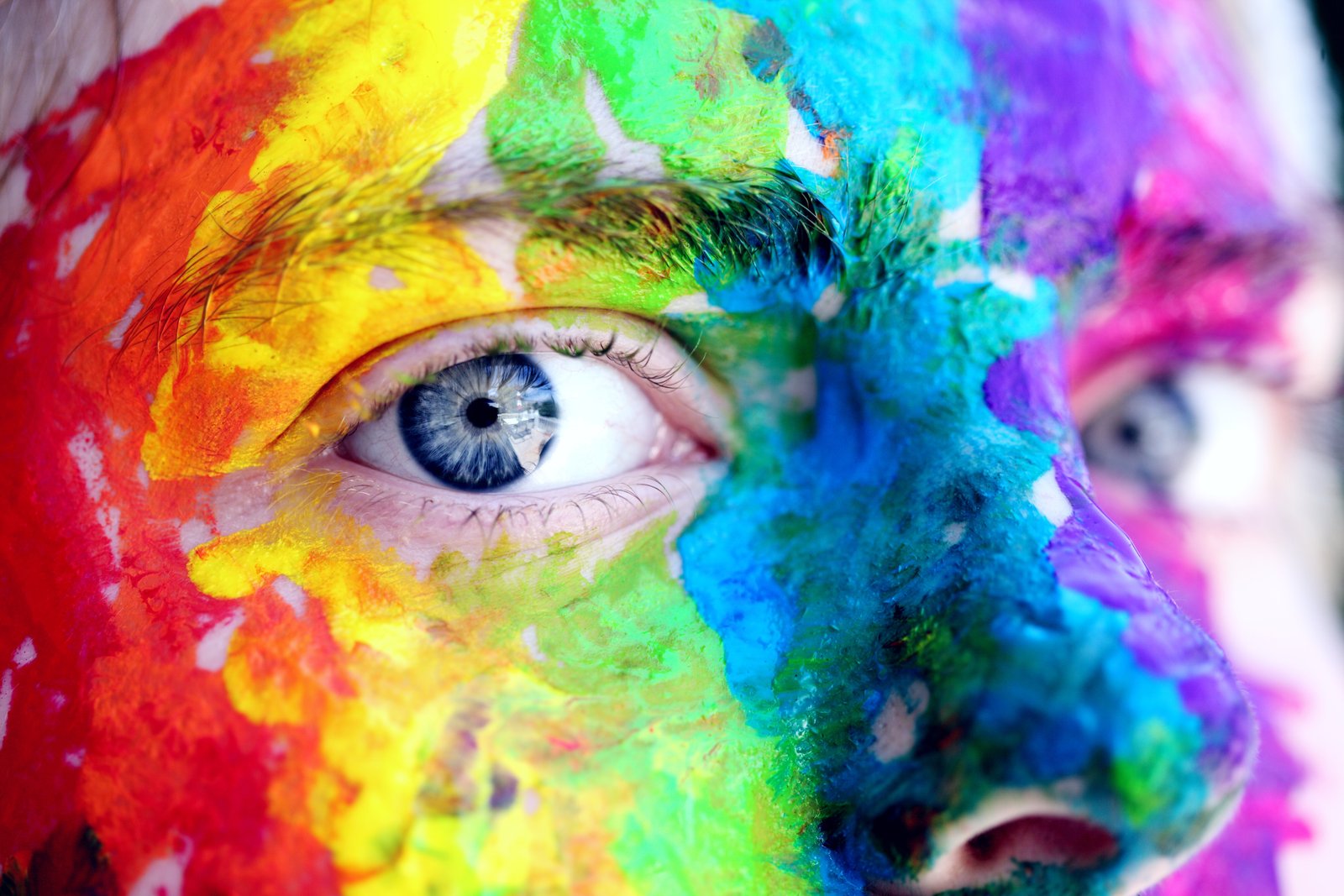
Exploring the Impact of Colors in Dentistry: Enhancing Patient Comfort and Experience
Category : colorsshow | Sub Category : Posted on 2023-10-30 21:24:53

Introduction: Colors have a profound impact on our emotions, behavior, and overall well-being. From influencing our mood to increasing or decreasing our stress levels, colors play a significant role in various aspects of our lives. Dentistry, as a specialized field, has also recognized the importance of incorporating the right colors to create a comfortable and calming environment for patients. In this article, we delve into the world of colors in dentistry and how they can positively influence patient experience and enhance the overall atmosphere of dental clinics. Creating a Calming Environment: Dental anxiety is a common issue that many patients face. One way to alleviate this anxiety is by choosing soothing and calming color schemes for the dental office. Soft blues, pale greens, and neutral shades such as beige or light gray are often used to create a relaxing atmosphere. These colors help to reduce stress levels and promote a sense of tranquility, allowing patients to feel more at ease during their dental visits. Effective Use of White: White holds significant importance in dentistry. It represents cleanliness, purity, and sterility, all of which are crucial in a dental clinic. The color white is commonly used in dental settings to create a sense of hygiene and professionalism. White walls, dental equipment, and uniforms contribute to an overall clean and sterile environment, fostering trust and confidence in patients. Incorporating Accent Colors: While soft and neutral colors dominate dental clinic spaces, incorporating accent colors strategically can add a touch of vibrancy and personality to the environment. Using pops of vibrant colors, such as yellows, oranges, or greens, can create a positive and energetic ambiance. These accent colors can be used in waiting areas, artwork, or even in the design of dental chair upholstery, creating a visually appealing and dynamic atmosphere. The Psychological Impact of Colors: Colors have a psychological effect on individuals, and dental clinics can leverage this understanding to enhance patient experience. For example, blue has a calming effect and is associated with trust and reliability, making it a popular choice for dental offices. Green represents tranquility and health, reflecting a positive image of the clinic and inspiring confidence in patients. Yellow, on the other hand, is often associated with happiness and optimism, promoting a welcoming and friendly environment. Putting Patients at Ease: Dentistry is not just about treating dental issues; it's also about providing a comfortable and pleasant experience for patients. By carefully selecting the right colors for the dental clinic, professionals can create an environment that puts patients at ease, reducing dental anxiety, and making visits more enjoyable. Bright, welcoming colors on the walls, comfortable seating, and calming artwork can help distract patients from their fears and create a more positive dental experience. Conclusion: Incorporating the right colors in dentistry can make a significant difference in patient comfort and experience. By carefully selecting soothing and calming colors, dental clinics can alleviate anxiety and transform the atmosphere into a more inviting and calming space. Understanding the psychological impact of colors allows dental professionals to create an environment that promotes relaxation, confidence, and trust in their patients. The effective use of colors plays a vital role in ensuring a positive and pleasant dental experience for every patient. for more http://www.doctorregister.com
Leave a Comment:
SEARCH
Recent News
- Top 5 Vancouver Startups in Electronics Design and Embedded Systems
- Vancouver is a thriving hub for electronics design and embedded systems, providing a fertile ground for businesses involved in export and import within this industry. With a strong focus on innovation and technology, the city is home to numerous companies that specialize in designing, developing, and manufacturing cutting-edge electronic devices and systems.
- In the bustling city of Vancouver, businesses specializing in electronics design and embedded systems are making a significant impact. These businesses are at the forefront of technological innovation, designing cutting-edge electronic devices and systems that power our modern world.
- Vancouver is home to a thriving tech industry, particularly known for its expertise in electronics design and embedded systems. With a growing number of companies specializing in these areas, it can be exciting for both professionals looking to advance their careers and tech enthusiasts interested in learning more about the latest innovations.
- The UK government offers a range of business support programs for companies operating in the field of electronics design and embedded systems. These programs are designed to help businesses in this sector grow, innovate, and succeed in the ever-evolving tech landscape. Whether you are a startup looking to bring a new product to market or an established firm seeking to expand your operations, there are resources and funding opportunities available to support your goals.
- Electronics Design and Embedded Systems: UK Export-Import Rules
- Exploring the Latest Trends in Electronics Design and Embedded Systems in Tunisia
- Top Irish Companies in Electronics Design and Embedded Systems
READ MORE
3 months ago Category : colorsshow
Top 5 Vancouver Startups in Electronics Design and Embedded Systems
Read More →3 months ago Category : colorsshow
Vancouver is a thriving hub for electronics design and embedded systems, providing a fertile ground for businesses involved in export and import within this industry. With a strong focus on innovation and technology, the city is home to numerous companies that specialize in designing, developing, and manufacturing cutting-edge electronic devices and systems.
Read More →3 months ago Category : colorsshow
In the bustling city of Vancouver, businesses specializing in electronics design and embedded systems are making a significant impact. These businesses are at the forefront of technological innovation, designing cutting-edge electronic devices and systems that power our modern world.
Read More →3 months ago Category : colorsshow