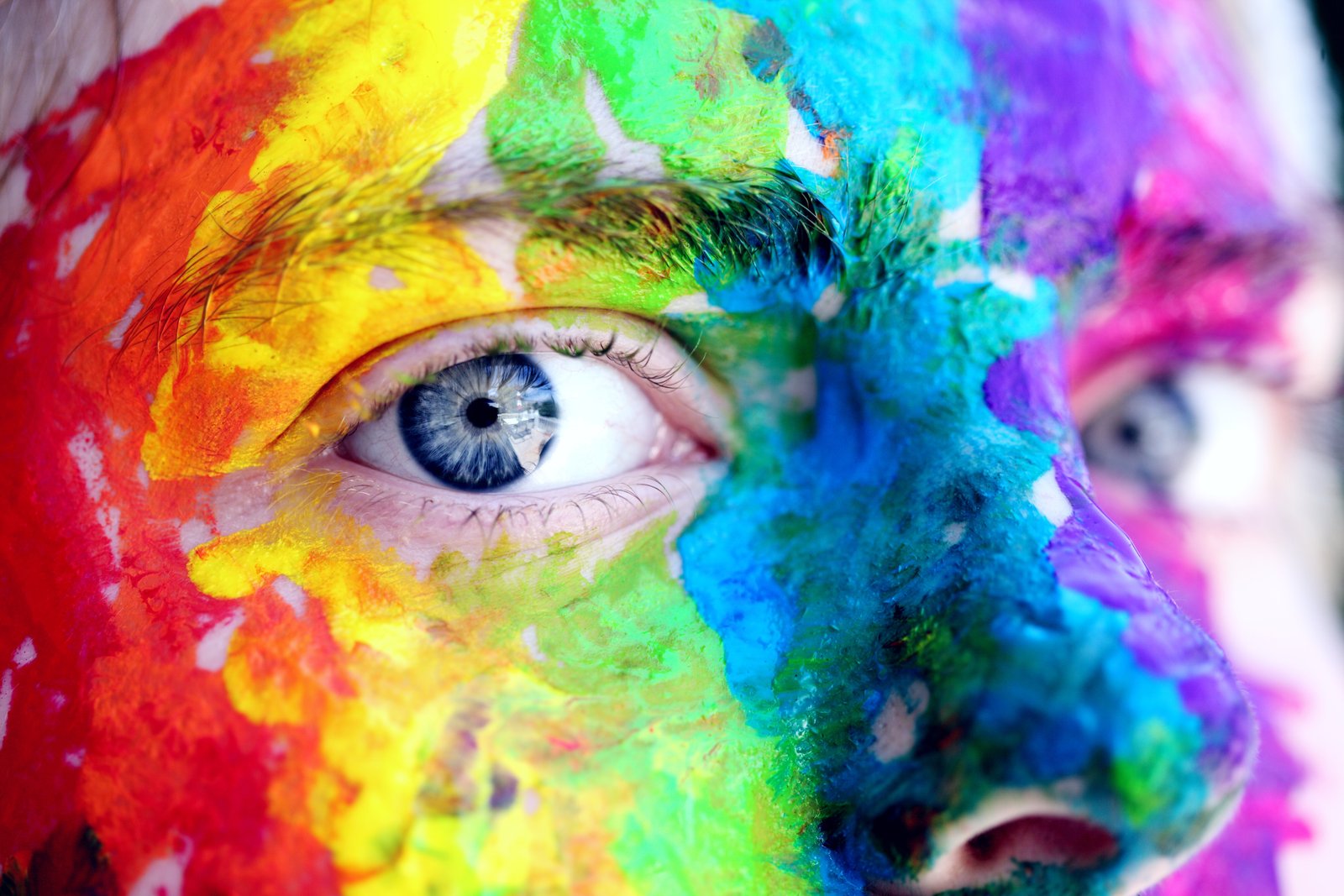
Exploring the Profound Connection Between Colors and Heart Health
Category : colorsshow | Sub Category : Posted on 2023-10-30 21:24:53
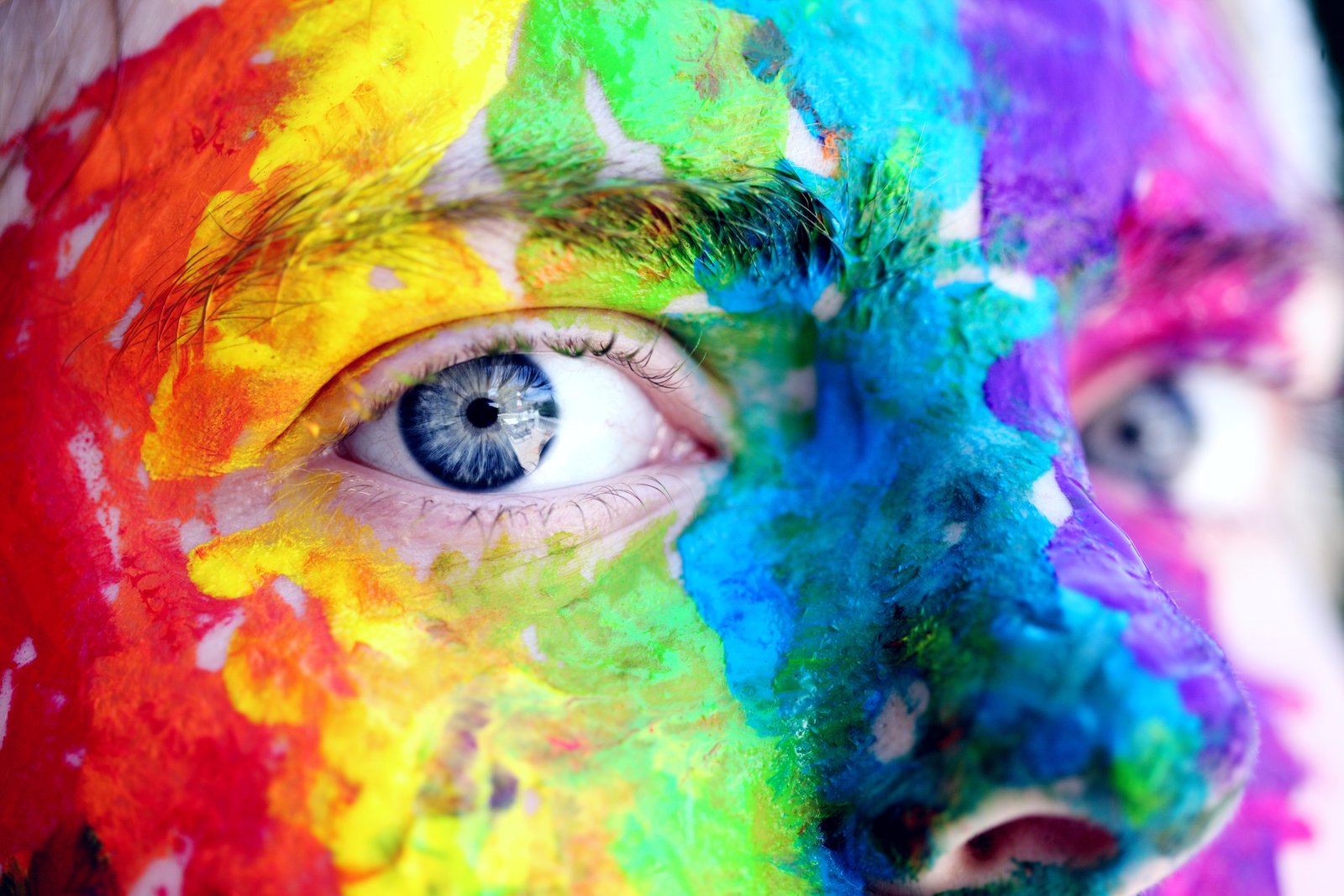
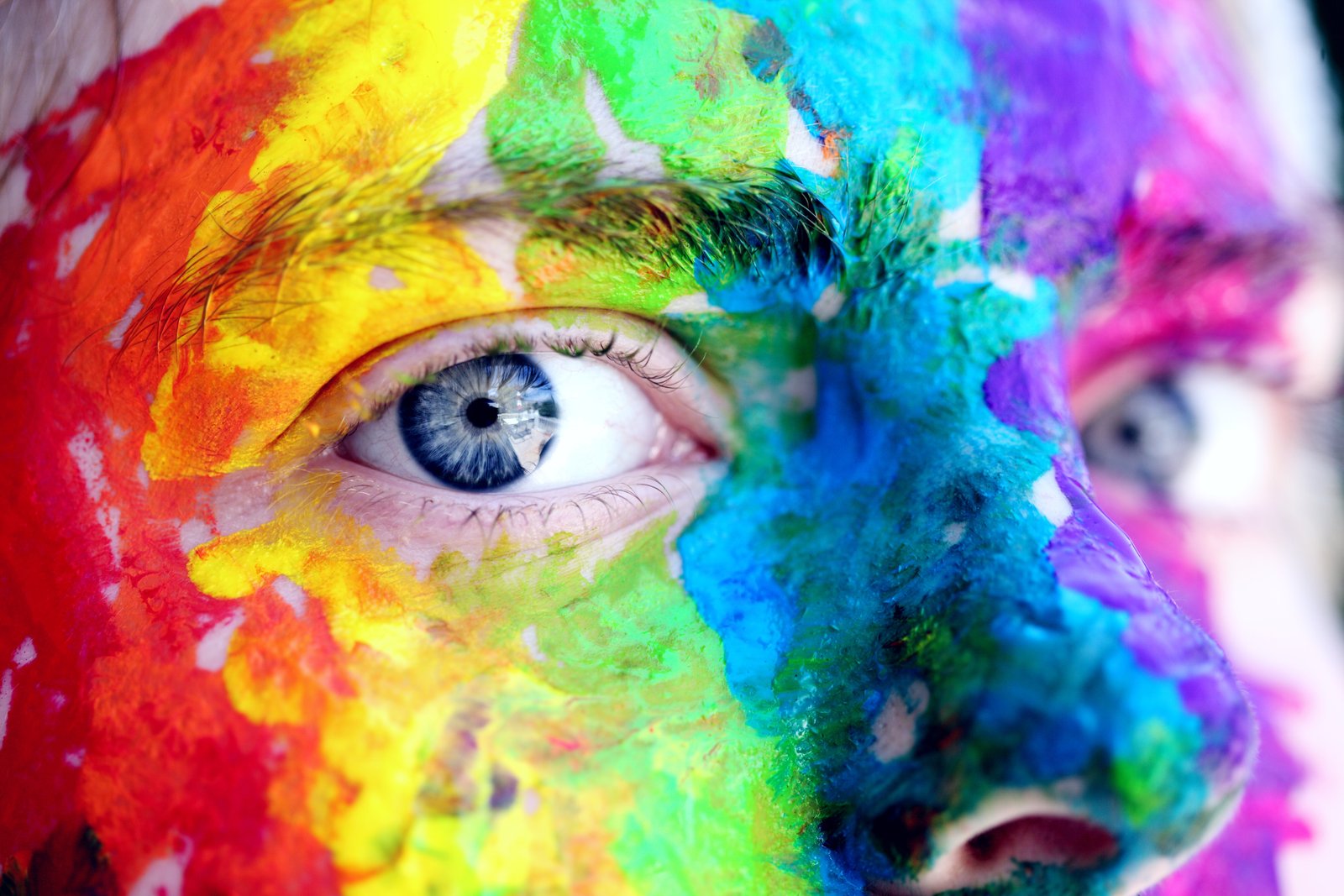
Introduction: Did you know that colors can have a significant impact on our physical and emotional well-being? From the vibrant reds to the calming blues, colors can evoke different feelings and emotions within us. But did you ever wonder if they could be linked to our heart health as well? In this blog post, we will delve into the fascinating realm of colors and their potential impact on our cardiovascular health. 1. The Power of Red: When we think of the color red, we often associate it with love, passion, and energy. Surprisingly, red has also been found to stimulate and increase heart rate and blood pressure. Research suggests that exposure to the color red can trigger physiological responses in our bodies, such as the release of adrenaline. While this might seem alarming, this temporary increase in heart rate and blood pressure can actually be beneficial as it improves blood circulation and oxygenation. 2. The Calming Influence of Blue: In contrast to the stimulating effects of red, the color blue has a calming and soothing effect on our bodies. Blue is known to lower heart rate, blood pressure, and reduce feelings of anxiety and stress. Research has shown that gazing at the color blue can promote relaxation and tranquility. This can have a positive impact on heart health by reducing the risk of hypertension and helping to maintain a healthy cardiovascular system. 3. The Healing Power of Green: Green symbolizes renewal and growth, and its association with health is evident in nature. Research has shown that exposure to green environments, such as parks or forests, can lower heart rate variability (HRV) and stress levels. Higher HRV indicates a healthier cardiovascular system and is associated with a reduced risk of heart disease. Incorporating more green into our surroundings, whether through nature walks or indoor plants, can promote heart health and overall well-being. 4. The Vibrancy of Yellow: Yellow is known for its uplifting and energizing qualities. It is often associated with happiness and optimism. While the direct impact of yellow on heart health is not extensively studied, its positive effect on mental health can indirectly contribute to cardiovascular well-being. Maintaining a positive mindset and outlook can mitigate stress, which is known to be a risk factor for heart disease. 5. Harnessing the Power of Colors: Now that we understand the potential impact of different colors on heart health, how can we apply this knowledge in our daily lives? Here are a few simple ways to incorporate the power of colors into your routine: - Consider the colors you surround yourself with in your living and working environments. Opt for calming and soothing colors in bedrooms and relaxation spaces, and energizing colors in areas where productivity is desired. - Wear colors that make you feel good and confident. This can have a positive impact on your mental and emotional well-being, which, in turn, can benefit your heart health. - Take advantage of natural environments. Spending time in green spaces or near bodies of water can provide a respite from the stress of daily life and have a positive impact on heart health. Conclusion: Colors have a remarkable influence on our hearts and well-being. By understanding and harnessing the power of colors, we can create environments that promote relaxation, reduce stress, and ultimately improve our cardiovascular health. So, next time you choose a color, remember that it is not just a visual choice, but one that can impact your heart and overall health. For an alternative viewpoint, explore http://www.hfref.com
Leave a Comment:
SEARCH
Recent News
- Top 5 Vancouver Startups in Electronics Design and Embedded Systems
- Vancouver is a thriving hub for electronics design and embedded systems, providing a fertile ground for businesses involved in export and import within this industry. With a strong focus on innovation and technology, the city is home to numerous companies that specialize in designing, developing, and manufacturing cutting-edge electronic devices and systems.
- In the bustling city of Vancouver, businesses specializing in electronics design and embedded systems are making a significant impact. These businesses are at the forefront of technological innovation, designing cutting-edge electronic devices and systems that power our modern world.
- Vancouver is home to a thriving tech industry, particularly known for its expertise in electronics design and embedded systems. With a growing number of companies specializing in these areas, it can be exciting for both professionals looking to advance their careers and tech enthusiasts interested in learning more about the latest innovations.
- The UK government offers a range of business support programs for companies operating in the field of electronics design and embedded systems. These programs are designed to help businesses in this sector grow, innovate, and succeed in the ever-evolving tech landscape. Whether you are a startup looking to bring a new product to market or an established firm seeking to expand your operations, there are resources and funding opportunities available to support your goals.
- Electronics Design and Embedded Systems: UK Export-Import Rules
- Exploring the Latest Trends in Electronics Design and Embedded Systems in Tunisia
- Top Irish Companies in Electronics Design and Embedded Systems
READ MORE
3 months ago Category : colorsshow
Top 5 Vancouver Startups in Electronics Design and Embedded Systems
Read More →3 months ago Category : colorsshow
Vancouver is a thriving hub for electronics design and embedded systems, providing a fertile ground for businesses involved in export and import within this industry. With a strong focus on innovation and technology, the city is home to numerous companies that specialize in designing, developing, and manufacturing cutting-edge electronic devices and systems.
Read More →3 months ago Category : colorsshow
In the bustling city of Vancouver, businesses specializing in electronics design and embedded systems are making a significant impact. These businesses are at the forefront of technological innovation, designing cutting-edge electronic devices and systems that power our modern world.
Read More →3 months ago Category : colorsshow