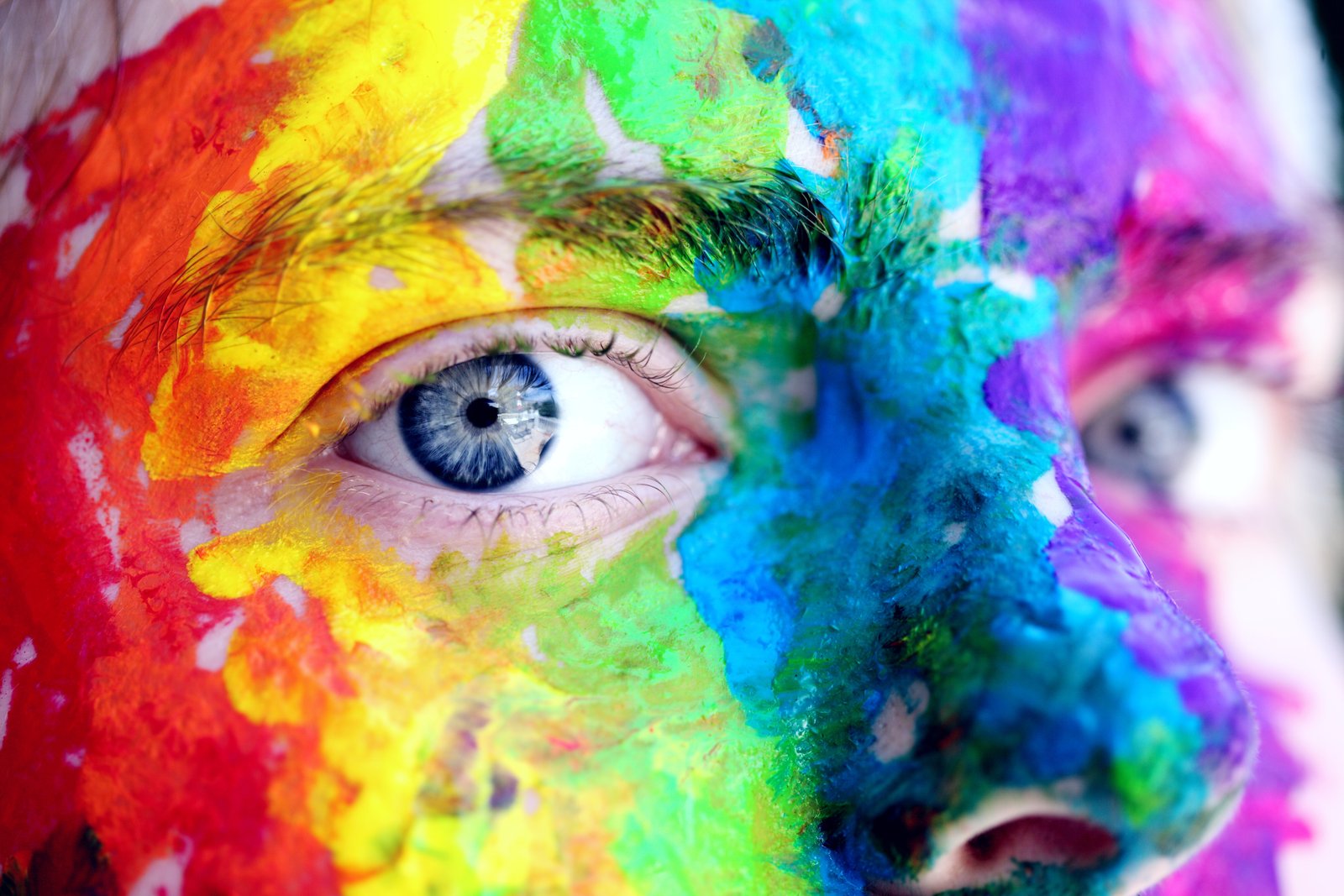
Exploring the Colors of Multiculturalism: A Vibrant Tapestry of Diversity
Category : colorsshow | Sub Category : Posted on 2023-10-30 21:24:53

Introduction: In today's interconnected world, multiculturalism has become a defining characteristic of many societies. The kaleidoscope of colors presented by different cultures not only adds vibrancy to our lives but also celebrates the beauty of diversity. Colors have a profound impact on our emotions, perception, and cultural identity. In this blog post, we will delve into how colors intertwine with multiculturalism, creating a vivid tapestry of unity and harmony. 1. The Cultural Significance of Colors: Colors hold significant meaning across cultures, symbolizing different emotions, beliefs, and traditions. For instance, red represents luck and vitality in Chinese culture, while white is associated with purity and marriage in Western cultures. By understanding the cultural significance of colors, we can appreciate the rich tapestry of customs and values that each culture brings to the table. 2. Colors as a Unifying Language: Colors have the power to transcend language barriers, serving as a unifying language throughout multicultural societies. The vibrant hues of traditional clothing, flags, and artworks bring people together, fostering a sense of community and belonging. Whether it's the festive colors of a Diwali celebration or the vivid costumes of a Carnival parade, colors truly serve as a bridge between cultures, allowing us to embrace diversity and celebrate our shared humanity. 3. Colorful Festivals and Traditions: Multiculturalism is often celebrated through various festivals and traditions that showcase a spectrum of vibrant colors. From Holi, the festival of colors in India, to the lantern festivals of China and the joyful parades during Pride Month, these events highlight the beauty of multiculturalism through a vivid display of colors. Such celebrations offer a glimpse into the traditions and values of different cultures, fostering understanding and appreciation for diversity. 4. Colors in Art and Expression: Art is another powerful medium through which multiculturalism and colors intertwine. Artists from diverse backgrounds often infuse their works with vibrant color palettes, showcasing their unique cultural perspectives. From the intricate patterns of Middle Eastern mosaics to the bold and energetic brush strokes in African art, colors are a tool for self-expression and cultural representation, allowing artists to convey their stories and experiences. 5. Embracing Colorful Diversity: In our rapidly globalizing world, it is crucial to embrace multiculturalism and appreciate the diverse colors it brings into our lives. Rather than fearing differences, we should celebrate them. By seeking to understand and learn from different cultures, we can create a society where the colors of multiculturalism blend harmoniously, enriching our collective experience. Conclusion: Colors and multiculturalism go hand in hand, creating a vibrant tapestry of diversity that enriches our lives on multiple levels. From the cultural significance of colors to the unifying language they provide, and the colorful festivals and traditions that celebrate our shared humanity, colors serve as a bridge between cultures. By embracing this colorful diversity, we can forge a path towards a harmonious and inclusive future, where unity and understanding prevail. Let us celebrate and cherish the colors of multiculturalism as an integral part of our global identity. Seeking more information? The following has you covered. http://www.culturepolitics.com
Leave a Comment:
SEARCH
Recent News
- Top 5 Vancouver Startups in Electronics Design and Embedded Systems
- Vancouver is a thriving hub for electronics design and embedded systems, providing a fertile ground for businesses involved in export and import within this industry. With a strong focus on innovation and technology, the city is home to numerous companies that specialize in designing, developing, and manufacturing cutting-edge electronic devices and systems.
- In the bustling city of Vancouver, businesses specializing in electronics design and embedded systems are making a significant impact. These businesses are at the forefront of technological innovation, designing cutting-edge electronic devices and systems that power our modern world.
- Vancouver is home to a thriving tech industry, particularly known for its expertise in electronics design and embedded systems. With a growing number of companies specializing in these areas, it can be exciting for both professionals looking to advance their careers and tech enthusiasts interested in learning more about the latest innovations.
- The UK government offers a range of business support programs for companies operating in the field of electronics design and embedded systems. These programs are designed to help businesses in this sector grow, innovate, and succeed in the ever-evolving tech landscape. Whether you are a startup looking to bring a new product to market or an established firm seeking to expand your operations, there are resources and funding opportunities available to support your goals.
- Electronics Design and Embedded Systems: UK Export-Import Rules
- Exploring the Latest Trends in Electronics Design and Embedded Systems in Tunisia
- Top Irish Companies in Electronics Design and Embedded Systems
READ MORE
3 months ago Category : colorsshow
Top 5 Vancouver Startups in Electronics Design and Embedded Systems
Read More →3 months ago Category : colorsshow
Vancouver is a thriving hub for electronics design and embedded systems, providing a fertile ground for businesses involved in export and import within this industry. With a strong focus on innovation and technology, the city is home to numerous companies that specialize in designing, developing, and manufacturing cutting-edge electronic devices and systems.
Read More →3 months ago Category : colorsshow
In the bustling city of Vancouver, businesses specializing in electronics design and embedded systems are making a significant impact. These businesses are at the forefront of technological innovation, designing cutting-edge electronic devices and systems that power our modern world.
Read More →3 months ago Category : colorsshow