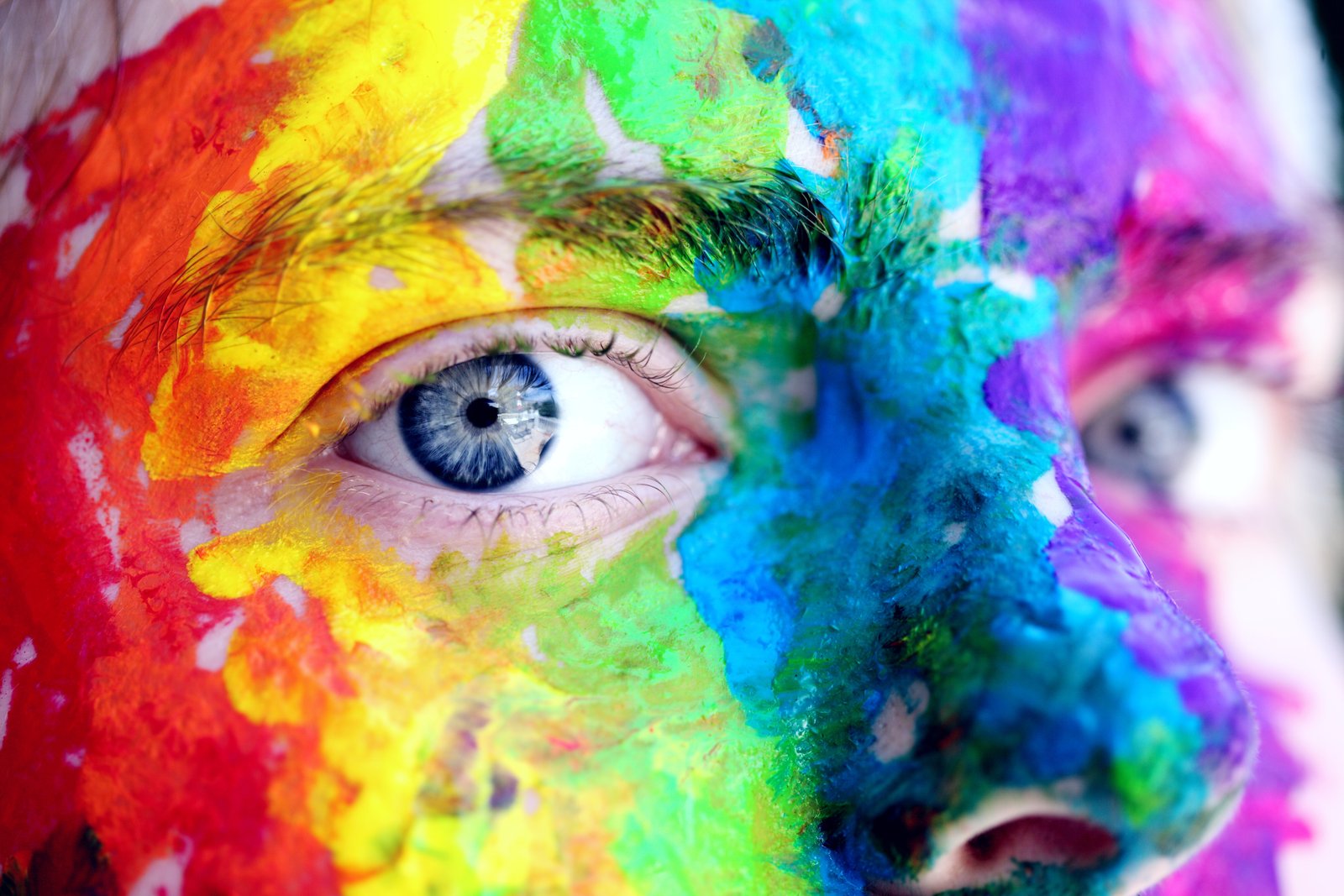
The Evolving Palette: Exploring Meat Color Trends
Category : colorsshow | Sub Category : Posted on 2023-10-30 21:24:53

Introduction Food trends are constantly evolving, and one fascinating aspect that has gained attention recently is meat color trends. The visual appeal of meat plays a crucial role in attracting consumers and can even influence their perceptions of quality and freshness. In this blog post, we'll delve into the exciting world of meat color trends and see how they are shaping consumer preferences and industry practices. 1. The Importance of Meat Color The color of meat is a reliable indicator of its freshness, quality, and even taste. Consumers often associate bright red or pink hues with freshness, tenderness, and juiciness. This is why meat packaging often includes a clear window, allowing customers to assess the color before making a purchase. An appealing meat color can directly impact the consumer's decision-making process, making it a vital consideration for producers and retailers. 2. Traditional Meat Color Expectations Traditionally, consumers have been accustomed to certain color expectations when it comes to different types of meat: - Beef: Bright cherry red color with a hint of marbling. - Pork: Light pink to pale red color. - Poultry: Light pink or white, with yellow hues indicating aging. - Lamb: Deep red color with white marbling. These traditional color expectations have remained largely prevalent, but recent trends show a clear shift towards more diverse and unconventional meat color variations. 3. Unconventional Meat Color Trends In recent years, there has been a growing interest in unusual and visually striking meat colors. It's not uncommon to find meat products in vibrant shades of green, blue, or even purple. While these colors may initially seem off-putting, they are not indicative of spoilage. Instead, they arise from various factors such as breed, diet, cooking methods, and added ingredients. For instance, grass-fed beef tends to have a deeper red color due to higher levels of myoglobin, a pigment responsible for the meat's hue. Similarly, cherry-fed pork may present a redder appearance due to the cherries' natural pigments that find their way into the meat. These alternative meat color trends cater to adventurous consumers who are looking for novel experiences and visual appeal in their culinary explorations. 4. The Impact of Social Media and Food Styling The rise of social media platforms, particularly visual-driven ones like Instagram, has played a significant role in popularizing unique meat color trends. Food stylists and influencers are continually experimenting with innovative ways to present meat dishes using distinct hues, capturing the attention and curiosity of followers. This trend has sparked demand for unconventional meats, leading to an increased availability in markets and restaurants. 5. Challenges and Considerations While the introduction of unconventional colors has brought excitement and intrigue to the meat industry, it also poses some challenges. Producers need to ensure that these alternative colors are achieved naturally and are not misleading consumers. Maintaining food safety and transparency regarding the source of these colors is crucial to prevent any confusion or misrepresentation. Additionally, it's essential to strike a balance between embracing these new color trends and respecting traditional expectations. While diversity is exciting, it's important to continue meeting the color expectations of consumers who rely on conventional visuals to assess meat freshness and quality. Conclusion Meat color trends have gone beyond the traditional reds and pinks, embracing unconventional shades, and captivating the imagination of adventurous consumers. These visual shifts not only cater to the demand for unique dining experiences but also challenge industry practices and encourage transparency in food labeling. As consumers continue to explore new flavors and visual appeal, meat color trends are likely to evolve, opening up new possibilities and exciting culinary adventures. To understand this better, read http://www.meatmob.com
Leave a Comment:
SEARCH
Recent News
- Top 5 Vancouver Startups in Electronics Design and Embedded Systems
- Vancouver is a thriving hub for electronics design and embedded systems, providing a fertile ground for businesses involved in export and import within this industry. With a strong focus on innovation and technology, the city is home to numerous companies that specialize in designing, developing, and manufacturing cutting-edge electronic devices and systems.
- In the bustling city of Vancouver, businesses specializing in electronics design and embedded systems are making a significant impact. These businesses are at the forefront of technological innovation, designing cutting-edge electronic devices and systems that power our modern world.
- Vancouver is home to a thriving tech industry, particularly known for its expertise in electronics design and embedded systems. With a growing number of companies specializing in these areas, it can be exciting for both professionals looking to advance their careers and tech enthusiasts interested in learning more about the latest innovations.
- The UK government offers a range of business support programs for companies operating in the field of electronics design and embedded systems. These programs are designed to help businesses in this sector grow, innovate, and succeed in the ever-evolving tech landscape. Whether you are a startup looking to bring a new product to market or an established firm seeking to expand your operations, there are resources and funding opportunities available to support your goals.
- Electronics Design and Embedded Systems: UK Export-Import Rules
- Exploring the Latest Trends in Electronics Design and Embedded Systems in Tunisia
- Top Irish Companies in Electronics Design and Embedded Systems
READ MORE
3 months ago Category : colorsshow
Top 5 Vancouver Startups in Electronics Design and Embedded Systems
Read More →3 months ago Category : colorsshow
Vancouver is a thriving hub for electronics design and embedded systems, providing a fertile ground for businesses involved in export and import within this industry. With a strong focus on innovation and technology, the city is home to numerous companies that specialize in designing, developing, and manufacturing cutting-edge electronic devices and systems.
Read More →3 months ago Category : colorsshow
In the bustling city of Vancouver, businesses specializing in electronics design and embedded systems are making a significant impact. These businesses are at the forefront of technological innovation, designing cutting-edge electronic devices and systems that power our modern world.
Read More →3 months ago Category : colorsshow